Good sewing starts with a small, dependable kit, not a drawer full of gadgets. I focus on the essential sewing tools that genuinely help at the machine and at the ironing board, because the right basics make cutting, marking, stitching, and pressing faster and cleaner from the first project. That matters whether you are mending a hem, making cushions, or learning your first garment, because most beginner frustration comes from weak tools, not weak skill.
These are the tools I would buy first
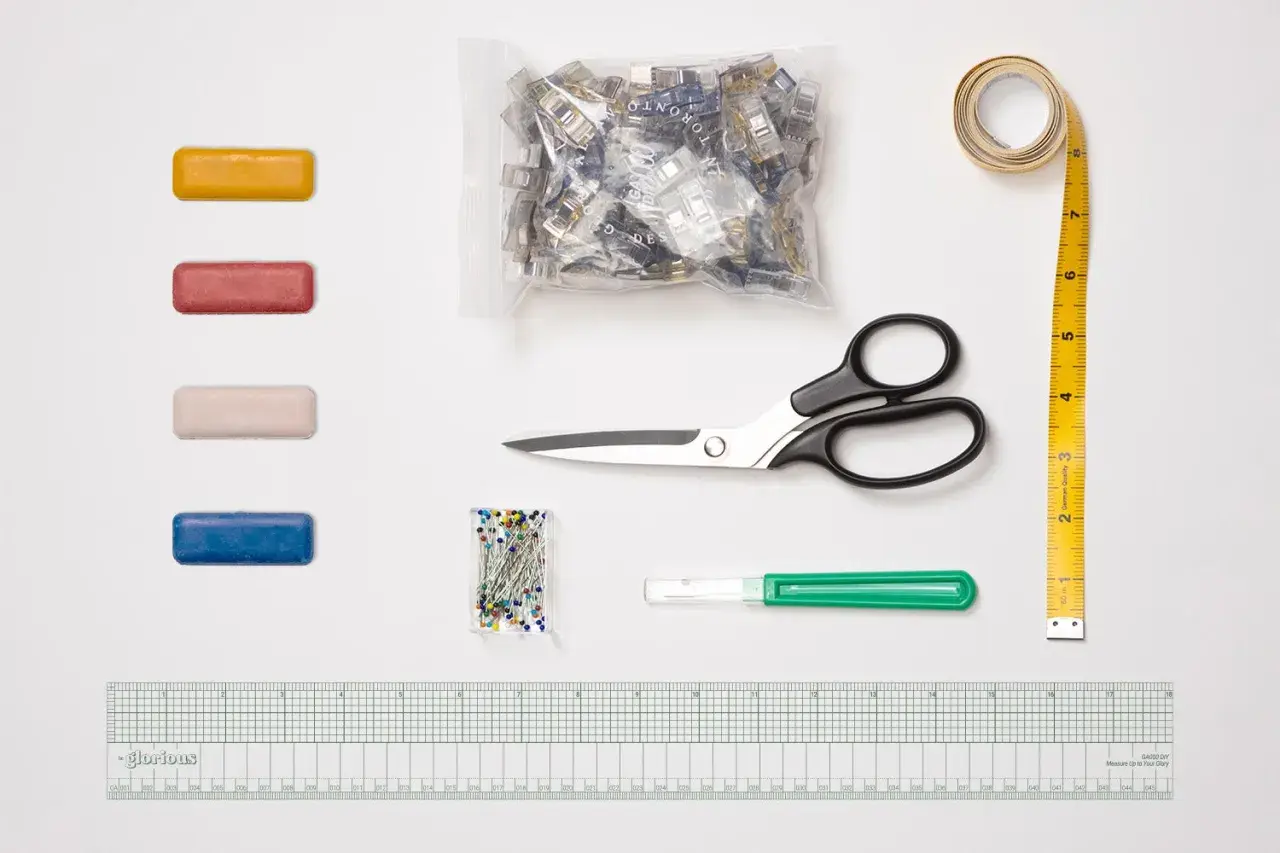
- Start with fabric scissors, a tape measure, needles, thread, pins or clips, and an unpicker.
- Add a ruler, a marking tool, and a decent iron before you spend on specialty gadgets.
- Use machine needles that match the fabric instead of relying on one universal needle for everything.
- Keep paper scissors separate so your fabric blades stay sharp.
- A lean starter kit can usually be built for roughly £25-£90, depending on what you already own.
What belongs in a first sewing kit
When I put together a first kit, I divide it into tools that handle fabric, tools that measure, and tools that fix mistakes. That keeps the buying list sensible and stops you spending on things that look clever but do not help on day one.
| Tool | Why it matters | Typical UK spend |
|---|---|---|
| Dressmaking shears | They cut cloth cleanly and reduce jagged edges. | £15-£40 |
| Paper scissors | They protect fabric blades from paper and card. | £5-£15 |
| Tape measure | It follows curves for body and garment measurements. | £2-£8 |
| Pins or clips | They hold layers still while you cut or sew. | £4-£12 |
| Hand-sewing needles | They cover mending, finishing, and small repairs. | £2-£6 |
| Machine needles | They let you match the needle to the fabric and stitch type. | £3-£8 |
| Thread | It is the seam itself, so quality matters more than colour variety. | £3-£8 |
| Unpicker | It removes stitches before they damage the cloth. | £2-£6 |
| Tailor's chalk or marker | It transfers pattern marks, darts, and hem lines. | £3-£10 |
| Iron and pressing cloth | They flatten seams and shape finished pieces. | £25-£80 |
Cutting tools that repay the extra spend
I am strict about scissors for one reason: dull blades cost time, stretch fabric, and make accuracy worse. Fabric shears, sometimes called dressmaking shears in the UK, should stay dedicated to cloth, while a separate pair handles paper, pattern tissue, and tape.
- Dressmaking shears are the one item I would not buy too cheaply. A mid-range pair that stays sharp is worth far more than a bargain set that crushes fibres.
- Thread snips are small scissors for trimming loose threads at the machine. They save you from lifting your main shears for tiny jobs all day.
- A rotary cutter is a rolling blade that slices fabric against a mat. It is especially helpful for long straight edges, patchwork, and slippery fabric that shifts under scissors.
- A self-healing mat protects the table and keeps rotary cuts accurate. Without it, the cutter is more nuisance than shortcut.
As a rough guide, I would expect a usable starter pair of shears to cost around £15-£40, a rotary cutter £8-£20, and a mat £12-£35. For me, the main rule is simple: buy the tool you will use constantly, not the one that only looks professional in a sewing basket.
Measuring and marking tools that prevent fit problems
Most sewing mistakes start before the first stitch is sewn. A garment can be perfectly stitched and still fit badly if the measurements, seam allowance, or markings were guessed rather than checked, so I keep this part of the kit surprisingly plain.
| Tool | What I use it for | Small detail that matters |
|---|---|---|
| Flexible tape measure | Body measurements and curved seams | Use one with clear centimetres and inches if you follow mixed UK patterns. |
| Seam gauge | Hems, button spacing, seam allowance checks | It is a short ruler with a sliding marker, which is more precise than eyeballing. |
| Clear ruler | Straight lines, hems, patchwork, pattern checking | Transparent edges make it easier to line up markings. |
| Tailor's chalk or washable marker | Notches, darts, pleats, fold lines | Test on a scrap first, especially on delicate cloth. |
| Pattern weights | Holding tissue patterns on slippery fabric | They can replace pins when you need a flatter lay. |
I also keep a mental note about unit mix. UK sewing patterns often shift between metric and imperial, so a tape measure with both systems saves constant conversion. That small convenience reduces errors more than most people expect, which is why I would buy it before any decorative extras.
Needles, thread, and unpicking with less damage
Needles and thread sound basic, but this is where beginners often waste the most time. If the needle, thread, or seam ripper is wrong for the fabric, the machine starts complaining long before you do.
- Universal 80/12 works well for everyday woven cottons and general practice sewing.
- Ballpoint 75/11 is better for jersey and other knits because it slips between loops instead of piercing them.
- Jeans 90/14 is made for denim, canvas, and heavy twill.
- Microtex 60/8 or 70/10 has a sharp point for fine fabrics and precise topstitching.
I usually recommend polyester all-purpose thread for beginners because it is forgiving across a wide range of projects and breaks less readily than bargain thread. Once you know the fabric better, you can choose cotton, topstitching thread, or a specialist thread for heat, stretch, or decorative work.
An unpicker, or quick-unpick, is worth using early instead of late. Once stitches are pressed flat, removing them takes longer and leaves more marks, so I prefer to fix mistakes before they get baked into the fabric.
I also keep a needle threader and a thimble close to hand if I am doing much hand sewing, because both save time and finger strain. For machine needles, I replace them after about 8 to 10 hours of sewing, or sooner if I hear a dull thud or see skipped stitches, because a tired needle causes more problems than most people realise.Pressing tools that make sewing look intentional
Pressing is not the same as ironing. Pressing means lifting and setting the iron down so the seam keeps its shape, while ironing usually involves sliding the iron back and forth, which can stretch curves and distort edges.
- Iron: a household iron is enough to start, but consistent steam and a clean soleplate matter more than brand names.
- Pressing cloth: a thin layer between iron and fabric that protects delicate fibres and reduces shine on dark cloth.
- Tailor's ham: a stuffed curved pad that shapes darts, bust seams, sleeves, and curved seams.
- Seam roll: a narrow pressing tool that keeps seam allowances from printing through on the right side.
- Clapper: a dense wooden tool that traps steam and leaves seams flatter once they are pressed.
In practice, the iron has a bigger impact on the final look than many hobby sewists expect. I would rather own a decent iron and a basic machine than the reverse, because neat pressing makes homemade work look deliberate instead of improvised.
How to build a starter kit in the UK without overspending
If I were buying from scratch in the UK, I would build the kit in stages. That keeps the total spend under control and lets the tools earn their place before the next purchase.
| Budget | Good first buys | What to leave for later |
|---|---|---|
| £25-£40 | Tape measure, pins, needles, thread, unpicker, chalk, paper scissors | Rotary cutter, mat, tailor's ham, specialty rulers |
| £50-£90 | Add dressmaking shears, seam gauge, clips, pressing cloth, iron if needed | Specialty feet, point turners, advanced marking tools |
| £100-£160 | Add rotary cutter, mat, clear ruler, tailor's ham, seam roll, better thread stock | Only niche gadgets you know you need |
These figures exclude the sewing machine, which is usually the single biggest purchase. My rule is to buy one tool per bottleneck. If cutting is frustrating, upgrade the shears. If seams are crooked, fix measurement and marking. If the finish looks flat, invest in pressing before you buy anything else.
The extras I only buy when a project proves I need them
There is always a longer list of sewing tools, but I treat them as answers to specific problems rather than default purchases. A point turner, bodkin, tracing wheel, sleeve board, or specialist presser foot can be brilliant, but only when the work genuinely asks for them.
- Buy a point turner if you sew collars, corners, or small bags often.
- Buy fabric clips if pins distort thick layers or coated fabrics.
- Buy a tracing wheel and pattern paper if you copy patterns regularly.
- Buy a sleeve board only when sleeves, cuffs, and narrow seams become routine.
- Replace bent pins, nicked blades, and dull needles promptly, because worn tools quietly ruin accuracy.
The simplest kit is often the strongest one: a clean pair of shears, a reliable measuring tool, the right needles, good thread, and a pressing setup that you actually use. Build from those basics, and every later addition will make sense because it solves a real sewing problem rather than filling space in a tin.