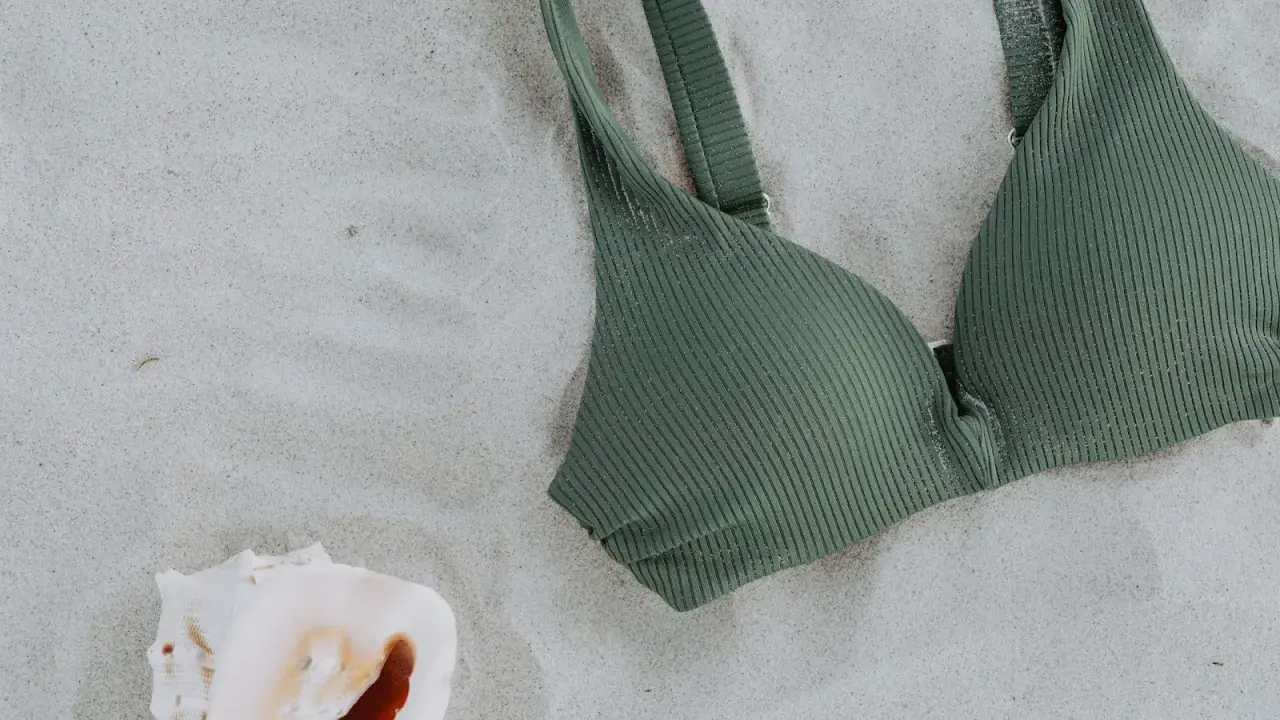
A good swimsuit starts with fabric, and the best swim fabric has to do far more than look pretty. It needs to stretch without bagging out, recover after wear, dry quickly, and stay reliable in sun, salt and chlorine. In this guide I focus on the textiles that actually perform in swimwear, how they compare, and what I would choose for different kinds of projects.
The fabrics worth considering first
- Nylon and elastane feel soft and smooth, which makes them ideal for fashion-led bikinis and one-pieces.
- Polyester and elastane are usually the safer bet for repeated pool use because they hold up better over time.
- PBT blends are the technical option when chlorine resistance and shape retention matter most.
- Most swimwear sits around 180-250 GSM; lighter cloth can turn sheer when stretched or wet.
- Matching lining, swim elastic and polyester thread makes a bigger difference than many beginners expect.
- Recycled polyester and recycled nylon can work very well, but only if the fabric still has enough recovery and opacity.
What makes a good swim fabric
When I assess swimwear fabric, I look for four things first: stretch, recovery, resistance to water and chemicals, and the ability to stay opaque when the garment is under tension. A suit can feel lovely on the table and still fail once it is wet, pulled across the body, and exposed to repeated movement.
The most useful technical quality is recovery, which simply means how well the fabric returns to its original shape after being stretched. Good recovery keeps edges crisp, stops knees and seat panels from bagging, and helps the garment look new for longer. I also want a fabric that dries reasonably fast, because a saturated knit is heavier, less comfortable, and more likely to feel loose.
For UK wear, I pay extra attention to indoor-pool chlorine exposure. A beach-only suit can sometimes get away with a softer, more delicate cloth, but a regular lane swimmer needs a tougher build from the outset. Once that baseline is clear, the next step is choosing the fibre family that suits the job.
Polyester, nylon and PBT compared
Most quality swimwear is built around one of three fibre paths. Textile Exchange describes nylon as a durable, stretchy fibre that is widely used in swimwear, and that is exactly why it remains such a dependable option. In practice, the differences are less about fashion and more about how the suit behaves after ten, twenty or fifty wears.
| Fibre or blend | What it feels like | Where it works best | Main limitation |
|---|---|---|---|
| Nylon with elastane | Soft, smooth, close to the body, with a supple drape | Bikinis, sculpted one-pieces, fashion swimwear, pieces where handfeel matters | Usually less chlorine-tolerant than polyester-led options |
| Polyester with elastane | Slightly firmer and often a bit less silky, but still comfortable | Everyday pool suits, family swimwear, styles that need better fade and shape retention | Can feel less luxurious if the finish is basic |
| PBT blends | More technical, springy and supportive | Training suits, competitive swimwear, high-chlorine use, garments that need strong recovery | Often less common in fashion prints and less forgiving in feel |
PBT, or polybutylene terephthalate, is the fibre I think about when the suit will spend a lot of time in chlorinated water. It is not always the softest choice, but it earns its place when performance matters more than a silky finish. That comparison matters even more once sustainability enters the brief, because recycled options now sit alongside the standard fibres.
Why recycled blends are worth a look
Recycled polyester and recycled nylon have become serious swimwear options, not just marketing extras. Textile Exchange places recycled polyester and recycled nylon in its preferred synthetics group, which is a useful reminder that recycled content can be a strong technical choice when the fabric is engineered properly.
That said, recycled content alone does not guarantee a better swimsuit. I still check the same things: stretch recovery, opacity, colour stability and how the fabric handles chlorine and sunscreen. A recycled fabric that bags out after a few swims is still the wrong fabric, even if the sustainability story is attractive.
What I like about good recycled blends is that they often give brands a credible way to reduce reliance on virgin material without sacrificing performance. The catch is that the full fabric spec matters more than the recycled label on its own, so I always treat it as one factor, not the deciding factor. From there, the next question is construction, because even the right fibre can fail in the wrong weight or lining.
Why weight, lining and stretch recovery matter
Fabric weight changes the final feel more than many makers expect. For most swimwear, I would start around 180-250 GSM. Lower weights can be fine for layering pieces or certain bikinis, but they are more likely to look sheer when wet or stretched. Heavier fabrics usually offer more coverage and support, although they can feel less flexible if the blend is too stiff.Lining matters just as much. A swimsuit lining should move in a similar way to the outer fabric; if the lining is much less stretchy, the suit can pull, twist or feel tight in the wrong places. I avoid ordinary lingerie lining for swimwear because it is often not built for water, chlorine or repeated stress. If I am unsure, I choose a proper swim lining or a second layer of the main fabric.
There is also the issue of tested performance. Carvico, for example, highlights chlorine resistance, sunscreen resistance, abrasion testing and UPF on its beachwear lines, which is a good illustration of what a serious swimwear textile should be able to handle. Those are not decorative extras; they are the conditions that decide whether a garment looks fresh after a season or tired after a handful of wears.
Once those construction details are right, the remaining mistakes usually come from choosing a fabric that was never suitable for swimwear in the first place.
Fabrics I would avoid for swimwear
There are plenty of attractive knits that look promising on the shelf but fail in water. I leave these out for the main body of a swimsuit unless there is a very specific design reason to use them.
- Cotton jersey absorbs water, dries slowly and sags easily once it is wet.
- Viscose or modal jerseys can feel soft on the skin, but they are usually too delicate for repeated pool use.
- Fashion stretch fabrics with weak recovery may look fine in the fitting room and then grow after the first swim.
- Delicate lace or mesh can work as an accent, but it is rarely reliable as the main shell fabric.
- Non-stretch woven fabrics are the wrong starting point for a fitted swimsuit unless the design is highly structured and purpose-built.
The only real exception is when those fabrics are used for a cover-up, a trim or a decorative panel that is not doing the hard work of containment and support. For the actual suit, I prefer a knit that was engineered for movement. That leads neatly into choosing the right option for the specific garment you want to make.
How I choose fabric for bikinis, one-pieces and training suits
If the project is a classic bikini or a fashion-led one-piece, I usually start with nylon and elastane. The soft hand feels better against the body, and the fabric often gives a smoother, more polished finish. This is the best place to use printed or saturated colours as well, because the garment is often judged as much by its drape as by its endurance.
For a suit that will see regular pool use, I move towards polyester and elastane, or a PBT-led option. The reason is simple: repeated chlorine exposure is less forgiving than a holiday swim in the sea. In that setting, a slightly firmer cloth that keeps its shape is usually the smarter buy, even if it feels less luxurious in the hand.
For training suits and competitive pieces, I want the most technical fabric available. PBT blends and higher-performance polyester knits tend to be the strongest candidates because they resist sagging and keep recovery high. I would rather have a suit that feels a touch more compressed than one that goes loose halfway through the season.
Rash guards and swim tops sit somewhere else again. Here I care about coverage, sun protection and stable structure, so a tighter polyester blend with a decent UPF rating can make more sense than a softer fashion knit. In the UK, where indoor training and cooler shoulder seasons are part of real life, that versatility often matters more than a trend-led finish.
The shortlist I would start with for most projects
When I am narrowing a swimwear fabric choice, I do not start with colour or trend. I start with use case, and I reduce the options until only the fabrics that can genuinely survive the brief are left.
- For a holiday bikini, choose a soft nylon-elastane blend around the middle of the GSM range, fully lined if the colour is pale or the cut is close-fitting.
- For a family or leisure swimsuit, choose polyester-elastane, especially if the garment will be used often in indoor pools.
- For a training suit, prioritise PBT or a performance-led polyester blend with strong recovery and good chlorine resistance.
- For a more sustainable make, shortlist recycled polyester or recycled nylon, but only after checking stretch, opacity and finish quality.
If I had to reduce the whole topic to one rule, it would be this: choose the fabric for how the suit will be worn, not for how it looks on the roll. A beautiful print on the wrong base cloth is still the wrong cloth, while a plain, well-built knit can produce a swimsuit that lasts, flatters and feels reliable every time it is worn.