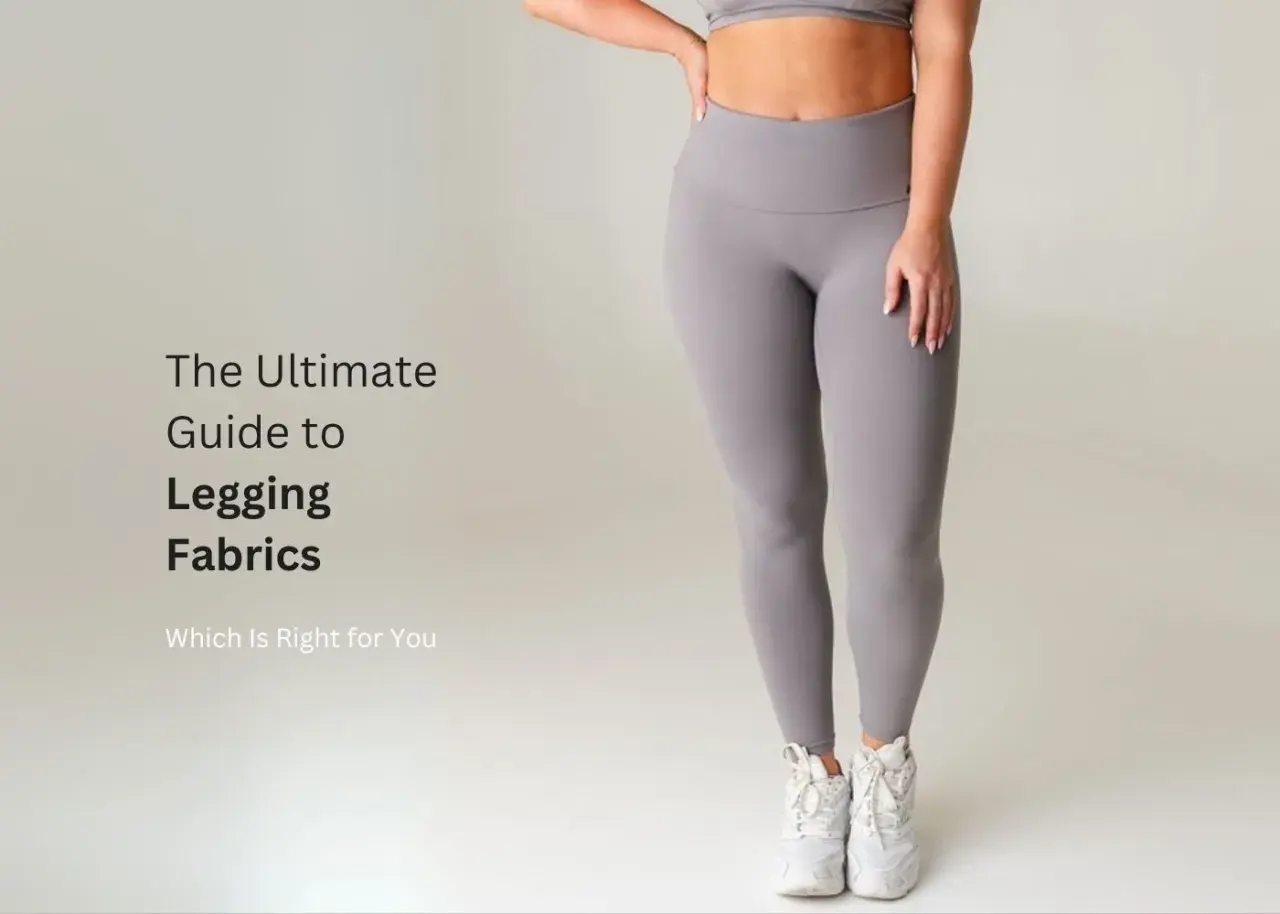
Leggings work best when the fabric stretches with the body, keeps its shape, and stays opaque enough to wear with confidence. The short answer to what material are leggings made of is that most pairs are knitted blends rather than a single fibre, usually combining a synthetic base with a little elastane for recovery. In practice, that blend decides whether a pair feels sleek and supportive, soft and lounge-friendly, or warm enough for colder days.
The key fabric facts in one place
- Most leggings are made from polyamide (nylon), polyester, elastane, or blends of those fibres.
- Elastane gives stretch and snap-back; without it, leggings are more likely to bag out.
- Nylon blends usually feel smoother and softer, while polyester blends often dry faster and cost less.
- Cotton, bamboo viscose, modal, lyocell, and merino blends can work well, but they suit different uses.
- For a reliable all-round pair, I usually look for a medium-weight knit with good opacity and real stretch recovery.
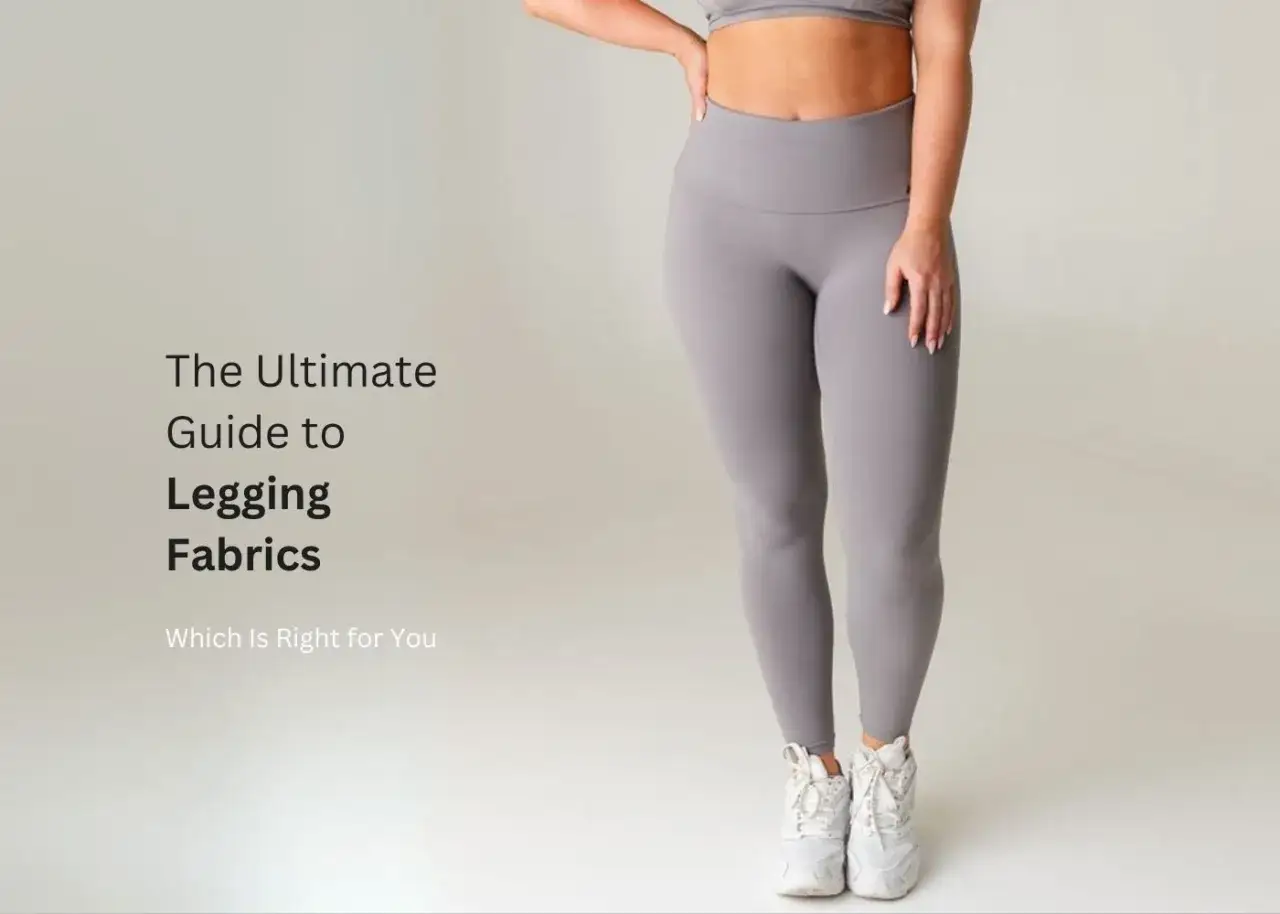
The fibres leggings are usually made from
When people ask about legging fabrics, they are usually really asking which fibre gives the best balance of stretch, coverage, and comfort. In the UK, you will often see polyamide on the label where another market would say nylon, and elastane is the name most brands use for the stretch fibre itself.
| Fibre or blend | How it feels | Best for | Main trade-off |
|---|---|---|---|
| Polyamide (nylon) + elastane | Smooth, soft, slightly luxe, with strong shape recovery | Yoga, sculpting leggings, everyday activewear | Usually costs more than polyester, and virgin nylon is fossil-based |
| Polyester + elastane | Light, durable, quick-drying, often more technical in feel | Gym sessions, running, printed leggings, budget-friendly activewear | Can feel less soft than nylon and may hold odour a little more readily |
| Cotton + elastane | Breathable, familiar, and comfortable against the skin | Casual wear, light activity, relaxed home pieces | Slower drying and weaker shape retention if the knit is too light |
| Bamboo viscose, modal, or lyocell + elastane | Very soft, cool, and drapey | Lounge leggings, travel wear, low-intensity movement | Less compression and usually less “held-in” than technical synthetics |
| Merino wool blend | Warm, breathable, and naturally comfortable in cold weather | Winter layering, outdoor walks, commuting in chillier months | More expensive and usually needs gentler care |
| Recycled nylon or recycled polyester + elastane | Similar performance to virgin synthetics, depending on the knit | Performance leggings with a lower-virgin-material footprint | Quality varies a lot, so the construction still matters |
Ponte knit is another structure worth knowing about. It is a denser double knit, often made from viscose, polyester, or rayon with elastane, and it feels more structured than a classic yoga legging. That makes it useful for dressier, smarter leggings, where you want a cleaner line rather than a second-skin feel.
Once you know the fibre family, the next question is how the blend changes the way the garment behaves.
Why blends matter more than a single fibre
I rarely judge leggings by fibre name alone. Two pairs can both be made from nylon and elastane, yet one feels buttery and sculpting while the other feels thin and oddly loose, because the knit, finish, and weight are doing as much work as the fibre content.There are five things I pay attention to.
- Stretch recovery is how well the fabric springs back after being pulled. Good recovery is what keeps knees, seats, and waistbands from bagging out.
- Opacity decides whether the fabric goes sheer when you bend, squat, or stretch. This is the real test behind the “squat-proof” claim.
- Breathability affects how hot the leggings feel during movement. A fabric can stretch beautifully and still trap too much heat.
- Compression is the held-in, supportive feel that some people want for training and others actively dislike for everyday wear.
- Fabric weight changes how the garment drapes and covers. As a rough guide, many good-quality leggings sit around 200-260 GSM; lighter knits feel airier, while heavier ones usually feel more supportive and less sheer.
For leggings in particular, I also want real stretch in both directions. In sewing terms, I would usually expect at least around 5% elastane in a knit, or another construction that gives genuine 4-way stretch and recovery. A fabric that stretches but does not bounce back quickly will sag at the knees and seat long before it should.
That is why the same blend can be perfect in one context and frustrating in another, which is why the next step is matching the fabric to the type of leggings you actually need.
Which fabric works best for each kind of leggings
In the UK, where one pair often has to handle commuting, the school run, a coffee stop, and maybe the gym, I think versatility matters more than buzzwords. The best fabric for leggings depends on whether you want performance, softness, warmth, or a more polished look.
| Legging type | Best fabric choice | Why it works | Where it falls short |
|---|---|---|---|
| Gym and training leggings | Polyester + elastane or polyamide + elastane | Strong recovery, good movement, and better moisture handling than cotton | Less cosy than natural-fibre options |
| Yoga and Pilates leggings | Polyamide + elastane or a softer nylon blend | Soft hand feel, smooth finish, and enough stretch for floor work | Very thin versions can lose opacity under deep bends |
| Lounge and everyday leggings | Cotton + elastane, modal + elastane, or bamboo viscose + elastane | Comfortable, breathable, and pleasant for long wear | Usually less supportive and slower to dry |
| Cold-weather leggings | Merino blend or brushed synthetic knit | Warmer against the skin and better for layered outfits | Can feel too warm indoors if the knit is heavy |
| Dressy or fashion leggings | Ponte knit, faux leather on a stretch base, or a dense nylon blend | More structure and a cleaner silhouette | Often less breathable than a true activewear knit |
One practical note: faux leather leggings are usually not leather at all. They are typically a synthetic base with a polyurethane finish, which gives the look of leather with more stretch and a lighter feel. That is useful if you want a sharper outfit, but it is not the right choice if your priority is breathability or hard training.
When the fabric and the use case line up, the label becomes much easier to decode.
How to read the label before you buy
Most people look at colour first and fibre content second. I do the opposite. The fabric label tells you more about performance than the styling copy ever will, especially when the product description leans heavily on vague terms like “buttery soft” or “sculpting”.
- Check the fibre names, not just the marketing term. In UK sizing and labelling, nylon is usually listed as polyamide, and elastane is the stretch fibre you want to see if shape retention matters.
- Look for the stretch type. If the product mentions 4-way stretch, that usually signals better movement in both directions. If it only stretches across the width, it may be fine for casual wear but less ideal for sport.
- Read the weight if it is provided. A medium-weight knit is often a safer choice for opacity and everyday durability than an ultra-light one.
- Watch for finish terms. Brushed fabrics feel softer and warmer, while smooth technical finishes usually wick sweat and dry faster.
- Notice the seam construction. Flat seams, bonded seams, or seamless knitting can improve comfort and reduce rubbing, especially for running or studio classes.
- Inspect the care label. If it warns against heat, that is usually a sign the blend contains elastane that will suffer if you tumble dry it too aggressively.
Care is the part that decides whether a decent pair stays decent, so I treat it as part of the purchase decision.
How to care for leggings so the fabric lasts
Leggings usually fail for boring reasons: heat, rough washing, and too much wear before they are cleaned properly. Elastane is the part that suffers first, so the aim is to protect stretch recovery for as long as possible.- Wash leggings inside out to reduce abrasion and help preserve the surface finish.
- Use a cold or cool wash, ideally around 30°C or lower, unless the care label says otherwise.
- Skip fabric softener for technical leggings, because it can coat the fibres and reduce moisture-wicking performance.
- Avoid a hot tumble dry. Air drying is gentler and helps the elastane keep its shape.
- Keep leggings away from velcro, zips, and rough towels in the wash, since those can pull yarns and fuzz the surface.
- If the pair is wool or a delicate cellulosic blend, follow the label closely and reshape it while damp.
Heat is the fastest way to damage recovery in a stretch blend, and once that snap-back goes, the leggings start to look tired even if the fabric still feels comfortable. That is one reason a good pair can last much longer than a cheap one with the same basic fibre names.
From there, the smartest choice is just matching the cloth to the life you actually want the leggings to live.
What I would choose for a sewing project or an everyday wardrobe
If I were choosing fabric for a sewing project, I would start with a simple rule: the better the leggings need to move, the more important the knit structure becomes. A soft jersey that looks fine on the roll can still be too weak once it is cut into a close-fitting garment.
- For the safest all-round pair: I would choose a medium-weight nylon or polyamide blend with elastane, because it usually gives the best balance of stretch, coverage, and polish.
- For sweaty workouts: I would lean towards polyester + elastane, especially if quick drying matters more than a silky hand feel.
- For lounge comfort: I would pick cotton, modal, or bamboo viscose with elastane, because softness matters more than compression in that setting.
- For colder weather: I would look at merino blends or brushed synthetics, depending on whether warmth or wash-and-wear convenience matters more.
- For a dressier look: I would use ponte or a dense stretch knit, because structure does a better job than thin fabric when you want a neater silhouette.
That is the practical answer to what material are leggings made of: a knit chosen for the trade-off you care about most, not a single magic fibre. If you can read the fibre content, check the weight, and think honestly about how you will wear the garment, you will choose better leggings and sew better ones too. For me, that is where fabric knowledge becomes genuinely useful, because it turns a simple label into a smart decision.