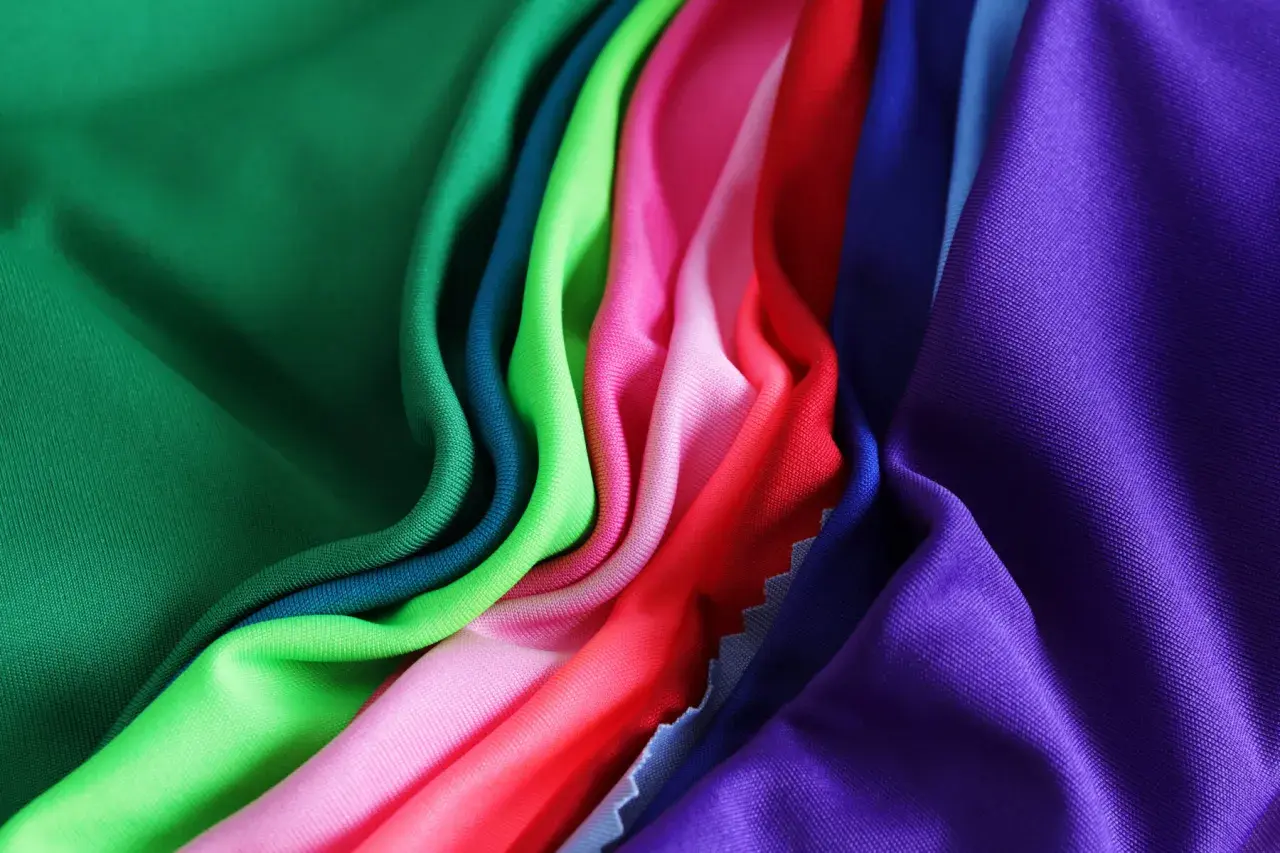
The right athletic wear fabric changes everything: how quickly sweat disappears, how well a garment keeps its shape, and whether you stay comfortable after the first ten minutes of movement. In this guide I break down the materials I trust most, when each one makes sense, and what to check if you are choosing cloth for sewing rather than buying off the peg. The aim is simple: help you pick a fabric that works for the session you actually do, not the one the label promises.
What matters most when you choose activewear fabric
- Look first for moisture management, recovery and abrasion resistance, not just softness.
- Polyester and nylon blends handle sweat best; elastane gives stretch, but recovery matters just as much.
- Merino wool is the strongest natural option for odour control and temperature swings.
- Cotton feels comfortable, but it holds moisture and is a weaker choice for hard sessions.
- If you sew, test stretch, opacity and seam stability before you cut the first panel.
- Care matters: cold or 30°C washes, little detergent and no fabric softener usually preserve performance best.
How I judge athletic wear fabric in practice
When I judge athletic wear fabric, I start with behaviour, not branding. Does it move sweat away from the skin, bounce back after a hard stretch, and resist rubbing from straps, bars or repeated washing? If the answer is weak in two or more of those areas, I treat the fabric as fashion-led rather than performance-led.
| What I check | What good looks like | Why it matters |
|---|---|---|
| Moisture management | Sweat moves to the surface and dries quickly | Keeps the skin from feeling wet and sticky |
| Stretch recovery | The fabric springs back after being pulled | Prevents bagging at knees, seat and elbows |
| Breathability | The knit lets air move through, or uses mesh zones | Helps heat escape during hard efforts |
| Opacity | It stays opaque when stretched | Essential for leggings and fitted tops |
| Durability | The surface resists pilling and abrasion | Matters under straps, bars and repeated washing |
| Odour control | It does not hold smell stubbornly between washes | Useful when training often or travelling |
I usually care more about recovery than hand feel. A soft fabric that grows baggy at the knee or goes sheer in a squat test is not a good activewear choice, however pleasant it feels on the hanger. Once those fundamentals are clear, the fibre blend starts to make sense.
The materials that actually work best in practice
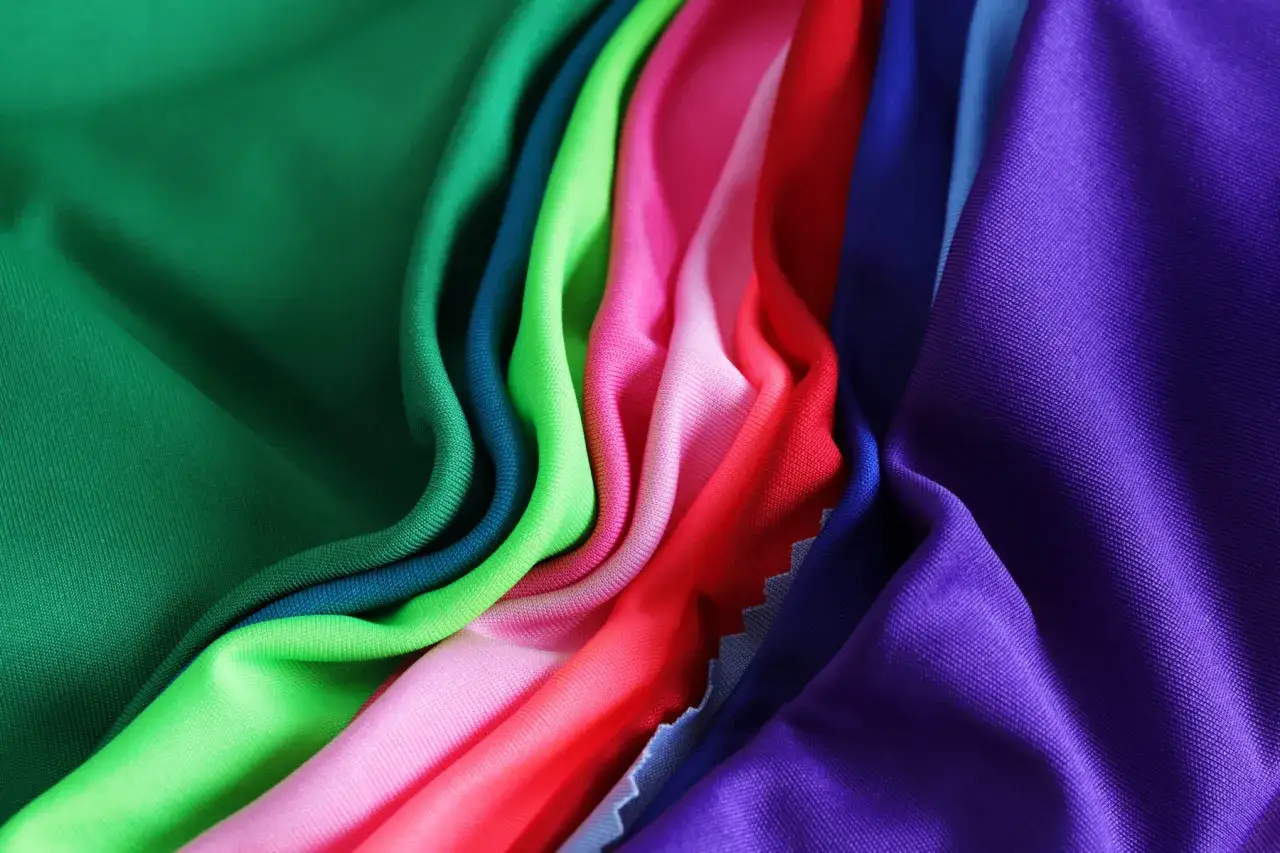
Most workout clothes are built from a small group of fibres, then tuned with knit structure and finishing. The blend matters, but the construction matters too. Here is how I weigh the options.| Fabric family | Best for | Strengths | Trade-offs | My take |
|---|---|---|---|---|
| Polyester with elastane | Running, gym sessions, classes, general training | Wicks well, dries fast, easy to wash, widely available | Can hold odour more than wool, sometimes feels less refined | The safest all-rounder when sweat management matters most |
| Nylon with elastane | Leggings, sports bras, yoga, cycling, premium fitted pieces | Strong, smooth, abrasion-resistant, often softer to the touch | Usually pricier; some versions feel warmer | My first choice for close-fitting garments that need a cleaner finish |
| Merino wool blend | Outdoor training, travel, layering, cooler weather | Good temperature regulation, naturally odour-resistant, comfortable next to skin | Slower drying than synthetics; usually more expensive | Excellent when sessions spill into the commute or the weather changes halfway through the day |
| Recycled polyester or recycled nylon | Most of the same uses as virgin synthetics | Performance can be very strong, with a lower-impact material story | Quality varies by yarn, mill and finish | Worth choosing when the feel and recovery are still right; I would still test the garment, not the claim |
| Bamboo viscose or modal blends | Low- to medium-intensity studio wear, casual athleisure | Soft, breathable, pleasant for relaxed movement | Usually weaker recovery and less dependable under heavy sweat | Comfortable, but not my pick for hard cardio or compressive shapes |
| Cotton with elastane | Warm-ups, light training, casual pieces | Familiar feel, easy drape, comfortable for short wear | Holds moisture and dries slowly | Fine for low-intensity use, but I would not rely on it for a sweaty session |
As a rough guide, a small amount of elastane, often somewhere around 5-20%, is enough for many activewear knits. Compression pieces can sit higher, while a relaxed training tee may need much less. Once the fabric starts to stretch more than it recovers, the garment stops feeling technical and starts feeling tired.
How to match fabric to the workout and the weather
The best fabric is the one that suits the job. A studio class, a long run and a winter commute need different things, especially in the UK where a damp morning and a warm train home can happen in the same day.
| Activity | Best fabric profile | Why it works |
|---|---|---|
| Running and HIIT | Light polyester or nylon with elastane, often with mesh ventilation | High sweat output needs quick drying and low cling |
| Yoga and Pilates | Soft nylon-elastane or a brushed knit with good recovery | You need stretch, coverage and comfort in deep bends |
| Strength training | Opaque, stable nylon blend with a slightly denser knit | Squat-proof fabric and abrasion resistance matter more than ultralight weight |
| Cycling | Smooth nylon or polyester blend, often with a close fit | Reduces rubbing and keeps the garment in place over time |
| Outdoor training | Merino blend or quick-dry synthetic, sometimes with UPF treatment | Handles temperature swings, wind and sun more gracefully |
| Everyday athleisure | Comfort-led blends such as cotton-elastane or bamboo viscose mixes | Feels softer and more casual when performance demands are lower |
For wetter or cooler conditions, I lean towards quick-drying synthetics or merino rather than heavier cotton-rich cloth. For hot indoor sessions, I want lighter weight, airflow and a knit that does not turn clammy the moment the pace rises. That is the point where a fabric that looks great on a hanger can still feel wrong in motion.
Once you know the activity, the next question is whether the garment is being bought or sewn, because construction details become much more important when you are making the choice yourself.
If you sew activewear, the knit and finish matter as much as the fibre
Fabric selection for sewing is slightly more demanding than shopping off the rack. I can forgive a beautiful cloth with average recovery when I am buying a loose layer, but I would not cut it into leggings or a sports bra. For body-skimming pieces, recovery is the make-or-break trait.
| What to test | Good sign | Why it matters |
|---|---|---|
| Stretch percentage | Enough give for the garment type, with leggings usually needing more than tops | Too little stretch makes fitting awkward; too much without support makes the garment unstable |
| Recovery | The fabric returns close to its original shape quickly | Stops elbows, knees and seat panels from bagging out |
| Weight | A balanced feel, often around 180-220 gsm for tops and 220-300 gsm for leggings, as a rough guide | Heavier cloth can support better; lighter cloth usually breathes more easily |
| Opacity | No show-through when stretched over the body | Especially important for pale colours and fitted bottoms |
| Knit structure | Jersey, interlock, tricot or power mesh chosen for the right area | Each knit behaves differently under strain, airflow and sewing |
A few technical terms are worth knowing. A gusset is the extra panel inserted into a high-stress area, usually the crotch or underarm, and it improves movement while reducing strain on seams. Power mesh is a firmer open mesh used for ventilation or support, and it is one of the simplest ways to add airflow without making the garment flimsy.
- A ballpoint or stretch needle is the safer choice for knit activewear because it passes between the loops instead of piercing them aggressively.
- An overlocker, also called a serger, trims the edge and encloses the seam in one pass, which keeps stretchy seams neat and durable.
- A coverstitch gives the flat, twin-row hem common on leggings and technical tops, and it stretches without snapping.
- Polyester thread usually behaves better than cotton thread in stretch garments because it gives more and breaks less easily under movement.
If I am unsure, I sew a test seam, stretch it hard and wash the sample before I cut the real fabric. That small step often reveals whether the cloth is genuinely performance-ready or merely stretchy in theory. After the garment is made, the next stage is care, and it matters more than many people expect.
Care is part of performance, not an afterthought
Technical fabrics lose performance faster when they are washed carelessly. I treat laundry as part of the garment's lifespan, not an annoying add-on, because residue, heat and rough treatment all interfere with how these fibres work.
- Wash inside out at 30°C or lower unless the care label says otherwise.
- Use a small amount of detergent; too much can leave residue that dulls wicking.
- Skip fabric softener and dryer sheets on technical synthetics, because they can coat the fibres and reduce breathability.
- Air dry whenever you can; if you tumble dry, keep the heat low.
- Do not leave sweaty kit balled up in a bag for hours, because odour builds quickly in damp fabric.
- Close zips and use a mesh bag for bras, tights and delicate mesh panels when the wash load includes rougher items.
If smell lingers, a pre-soak in diluted white vinegar can help, but I would use that only where the care label allows it. For most garments, the simplest rule is also the best one: wash promptly, rinse cleanly and avoid anything waxy that blocks the fibre surface. That routine preserves the feel and the finish far longer than a fancy detergent ever will.
The simplest shortlist I would buy or sew first
If I had to build a practical wardrobe or a small sewing stash from scratch, I would keep the list short and useful. One all-rounder should handle sweat, one should handle support, and one should handle variable weather.
- A polyester-elastane jersey for general training tops, because it is the safest blend for sweat management and easy care.
- A nylon-elastane knit for leggings, sports bras and fitted separates, because it usually feels smoother and more stable against the body.
- A merino blend for outdoor layering, commuting and cooler sessions, because temperature control and odour resistance make a real difference.
- A power mesh insert for ventilation panels, because it adds airflow where the body needs it without sacrificing structure.
For most people in the UK, the smartest starting point is a synthetic knit with good recovery and a modest elastane content, then a merino option for colder or more changeable days. I would choose the fibre for sweat and durability first, then the knit for movement and opacity. That order keeps you from buying a fabric that looks athletic but behaves like ordinary leisurewear the moment the pace rises.