
Lyocell has a reputation for being soft, breathable and elegant, but that does not make it magically crease-proof. The short answer to does lyocell wrinkle is yes, although usually in a gentler way than linen or many viscose fabrics, and the result depends a lot on weave, weight and care. In this guide, I’ll explain when it creases, how to reduce it, how to smooth it safely, and what to look for if you want a neater finish from the start.
The most useful takeaways
- Lyocell can wrinkle, but it usually behaves better than linen and many cotton or viscose fabrics.
- Lightweight pieces show creases faster than denser weaves and structured garments.
- Prompt drying, shaking out seams and hanging or laying flat make a noticeable difference.
- Steam is the safest way to remove light wrinkles; low heat and a pressing cloth are the backup plan.
- If low-crease performance matters most, choose heavier lyocell, a tighter weave or a blend with elastane or polyester.
Why lyocell creases at all
Lyocell is a regenerated cellulose fibre, so it sits closer to the plant-based side of the fabric family than to fully synthetic textiles. That gives it a lovely drape and a smooth hand, but it also means the fabric can hold a fold when it is compressed, damp or left crumpled for too long. In textile terms, the key idea is wrinkle recovery, which is the fabric’s ability to spring back after being bent or crushed.
My practical view is simple: lyocell has decent recovery, but not enough to behave like polyester. It is usually more forgiving than viscose, yet it still needs better handling than many people expect. If a garment is very light, very fluid or packed tightly, creases are much more likely to stay visible, especially along sleeves, knees, lap seams and suitcase folds. That is why the same fibre can look polished in one piece and noticeably rumpled in another.
Once you understand that lyocell is crease-sensitive rather than crease-prone in every situation, the next question becomes more useful: which versions of the fabric stay smooth best, and which ones show every fold?
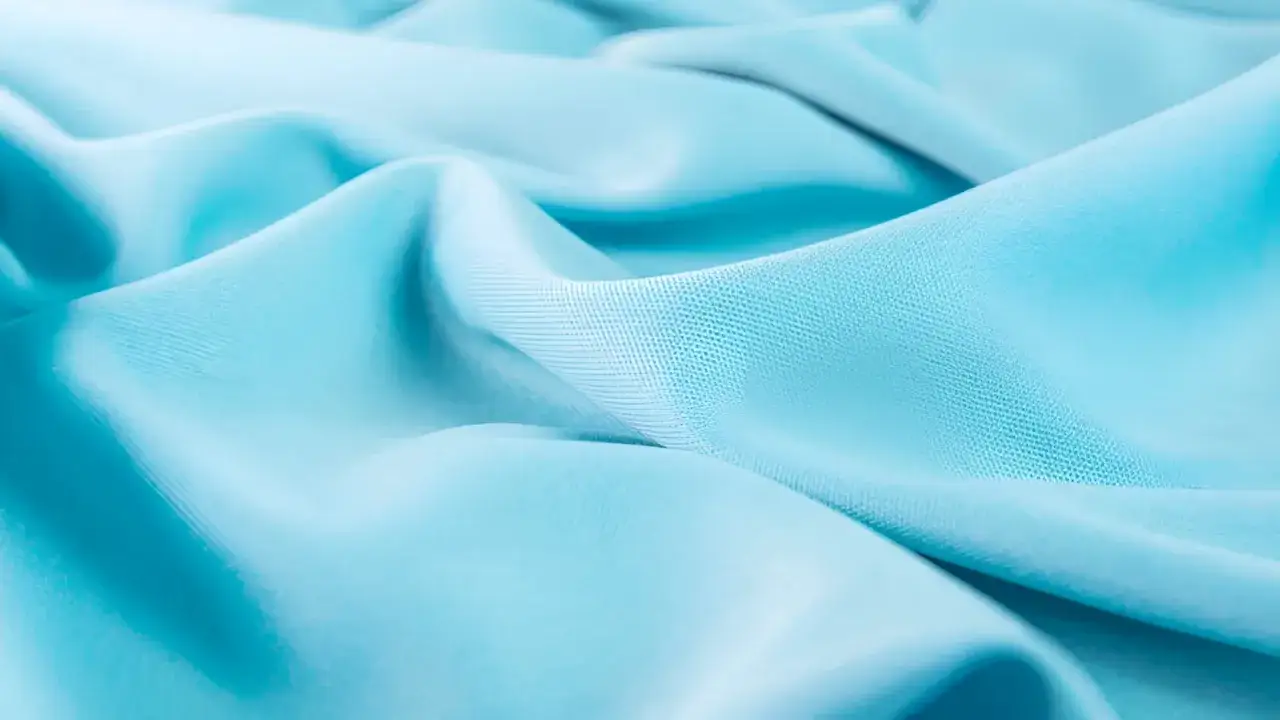
Where lyocell stays smooth and where it doesn’t
Not all lyocell behaves the same way. The fabric’s performance changes with weight, weave, finish and garment shape, which is why one lyocell shirt can look immaculate while another comes out of the wash full of soft folds.
- Best behaved: heavier weaves, structured shirts, tailored trousers and fabrics with a tighter surface.
- More likely to crease: lightweight dresses, fluid blouses, bias cuts and very drapey fabrics.
- More stable again: blends that include elastane or polyester, because the added fibre helps the cloth spring back.
- Most visible fold lines: elbows, knees, waistbands, bag straps and anywhere the cloth is bunched while damp.
For everyday wear, this is why lyocell can be excellent for relaxed shirts, soft tailoring and easy dresses, but less convincing for garments that need a crisp, pressed look all day. In a warm office, on a long commute or in a suitcase, it will almost always show some soft wrinkling. The fabric is still attractive when that happens, but the effect is more “lived-in” than “fresh from the ironing board”.
That matters even more in the UK, where damp indoor drying can leave garments hanging around in a slightly creased state for longer than you intended. The smoother the finish you want, the more important the washing and drying routine becomes.
How to wash and dry it to keep creases down
If I want lyocell to look good for longer, I treat the laundry stage as part of the design, not an afterthought. A few small habits stop wrinkles from becoming permanent-looking fold lines.
- Use a gentle cycle with cool or lukewarm water and a mild detergent.
- Do not overload the machine, because crowding is one of the fastest ways to set in creases.
- Remove the garment promptly when the cycle ends and shake it out straight away.
- Gently smooth seams, hems and sleeves with your hands before hanging.
- Dry on a hanger for shirts and dresses, or lay flat if the piece is heavy enough to stretch.
- Avoid wringing or twisting, because that can leave sharp crease lines behind.
Some care guides, including Asket, note that lyocell can shrink by about 3-5% in the first few washes before it settles, which is another reason I avoid hot water and high heat drying. Overheating does not just risk shrinkage; it also makes the fabric harder to relax back into shape. If you air-dry indoors, spread the item out well rather than leaving it bunched on a radiator or in a heap on a chair.
Once the fabric is dry, you will usually have far fewer wrinkles to deal with. But if a few folds remain, the safest fix is still a gentle one.
The safest way to remove wrinkles
For lyocell, I always reach for steam first. According to TENCEL™ care guidance, steam and low heat are the gentlest options, and that matches what I see in practice: light wrinkles release quickly without flattening the fabric’s natural drape.
- Use a steamer first: keep the head moving and let the weight of the garment relax the fibres.
- Iron only if needed: choose low heat, ideally a silk or synthetic setting, and press from the inside if the garment allows it.
- Use a pressing cloth: this helps prevent shine, especially on smooth surfaces and darker colours.
- Do not linger: too much heat in one spot can leave a glossy patch or a harsh crease instead of removing one.
- Try humidity strategically: a steamy bathroom can soften minor creases, but it is a touch-up, not a full solution.
If a lyocell garment is badly crushed, I would not try to force it flat with aggressive ironing. That usually creates more problems than it solves. Steam, patience and light pressure tend to produce a cleaner finish, and they preserve the soft surface that makes the fibre appealing in the first place.
From there, the real decision is comparative: if you are choosing a fabric for a specific project, how does lyocell stack up against the common alternatives?
How lyocell compares with common alternatives
| Fabric | Crease tendency | How it feels | Best use |
|---|---|---|---|
| Lyocell | Moderate | Soft, fluid and breathable | Draped shirts, relaxed trousers, dresses, soft tailoring |
| Cotton | Moderate to high | Crisp to soft depending on weave | Everyday shirts, basics, structured casual wear |
| Linen | High | Cool, dry and textured | Summer garments where natural creasing is part of the look |
| Viscose | Moderate to high | Very drapey, often less stable | Flowy dresses and blouses where softness matters more than structure |
| Polyester | Low | Depends on finish, usually more stable | Travel wear, office pieces, garments that must stay neat |
The simplest way to read that table is this: if wrinkle resistance is your top priority, polyester still wins. If hand feel, drape and breathability matter more, lyocell is a much more elegant compromise than a lot of people expect. It sits in the middle on purpose, which is exactly why it is so useful in modern wardrobes.
That trade-off also affects how I choose lyocell when I am sewing or buying it for a specific piece.
When I would choose lyocell and when I would pass
I choose lyocell when I want softness, movement and a clean drape with a bit less fuss than viscose. It works especially well for relaxed shirts, wide-leg trousers, midi dresses and linings that need to feel better against the skin. It is also a strong choice when I want a garment to look refined but not rigid.
I would pass on pure lyocell for anything that must stay sharply pressed through a long day, a crowded commute or a suitcase-heavy trip unless the fabric is heavier or blended. For those jobs, a tighter weave, a little elastane or a polyester blend gives you much better crease recovery. If I were sewing for myself and wanted the neatest result, I would also pay attention to garment shape: cleaner lines, fewer extreme folds and less strain at elbows or knees always help.
So the honest answer is not that lyocell is a wrinkle-free fabric. It is a comfortable, polished fabric that can wrinkle, sometimes noticeably, but it rewards careful washing, gentle steaming and smarter fabric selection. If you want the best balance of drape and practicality, choose a denser lyocell or a blend; if you want a shirt that never needs thinking about, a more wrinkle-resistant fibre is the safer bet.