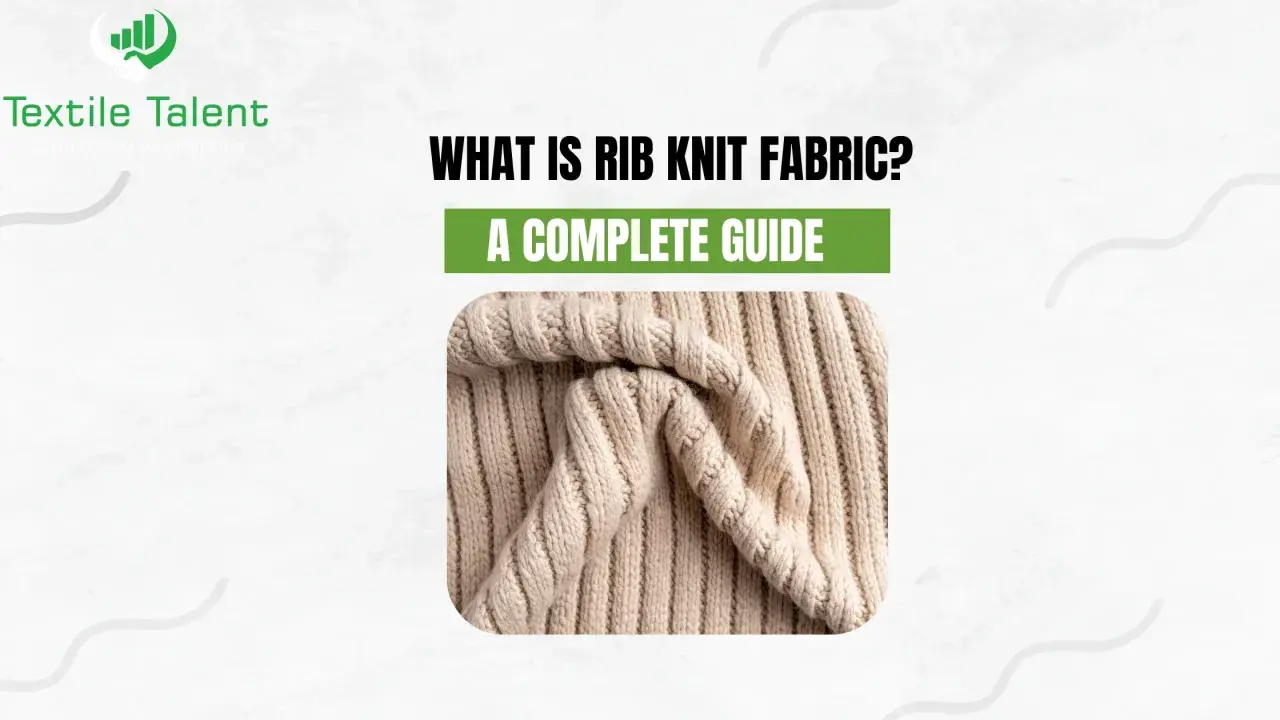
Rib knit is the fabric I reach for when a garment needs comfort, stretch, and a shape that does not collapse after one wear. Understanding what rib knit fabric is matters because the structure is doing real work here: it affects recovery, drape, bulk, and how neatly a neckline or cuff will sit. In this guide, I break down how the cloth is built, where it performs best, how it compares with other knits, and what to check before you buy it by the metre in the UK.
The essentials at a glance
- Rib knit is built from alternating knit and purl columns that create vertical ridges and natural stretch.
- Its standout feature is recovery, meaning it springs back into shape better than many other knits.
- Common forms include 1x1 rib, 2x2 rib, wider fashion ribs, and tubular ribbing for trims.
- It is especially useful for cuffs, neckbands, waistbands, fitted tops, and soft layering pieces.
- The fibre blend changes everything: cotton-rich versions feel stable, while elastane blends usually hold shape better.
- It sews well when handled gently with the right needle, stitch, and stabilising techniques.
What rib knit actually is
Rib knit is a knitted fabric built from alternating columns of knit and purl stitches. Those vertical ridges are not just decorative; they are what give the cloth its spring and its close, body-skimming shape. Because the loops open and close under tension, the fabric stretches far more across the width than a woven textile would, then returns when the tension is released.
I usually think of rib knit as a fabric with built-in flexibility. It can look neat and compact, yet still move with the body. Many versions look very similar on both sides, which makes them practical for everyday sewing, although I still mark a right side when the finish, print, or rib width is more noticeable on one face.
The simplest way to remember it is this: the structure creates the stretch, not just the fibre content. That is why the same blend can behave very differently in a jersey, an interlock, or a ribbed cloth. From here, the real question becomes how that structure changes the way the fabric performs.
Why it stretches and snaps back
The reason rib knit feels so forgiving is recovery, not stretch alone. Plenty of fabrics stretch; far fewer come back cleanly after repeated wear. Rib knit usually does both, which is why it works so well for cuffs, waistbands, and necklines that need to sit close without feeling rigid.
Fibre content changes the result quite a lot. A cotton-rich rib will feel breathable and familiar, but it may relax more over time. Add a little elastane, and the fabric usually gains a sharper rebound and better long-term shape retention. Viscose, modal, or bamboo blends can add softness and drape, but they may make the cloth feel less springy. I look at this as a trade-off rather than a flaw: more drape is useful for some garments, while more bounce is better for others.
- More elastane usually means stronger recovery and a firmer hold.
- More cotton usually means a drier hand and a more stable feel, but not always the best bounce-back.
- More fluid fibres can improve drape, which is useful in tops and dresses, but they may soften the rib’s structure.
When I test rib knit, I stretch a small section and watch what happens when I let go. If it rebounds quickly and evenly, it is promising. If it stays wavy or baggy, I would not trust it for a neckline or cuff that needs to hold its place. That leads naturally to the different rib constructions you will actually see in shops.
The rib constructions you are most likely to see
Not every rib knit behaves the same way. The repeat width changes the feel, the look, and the amount of spring in the fabric. Narrow ribs feel more compact and elastic; wider ribs tend to look softer and more fashion-led.
| Type | Look and feel | Best uses | What to expect |
|---|---|---|---|
| 1x1 rib | Fine, even ribs with a close, springy hand | Cuffs, neckbands, fitted tees, babywear | Usually the most elastic and the neatest-looking option |
| 2x2 rib | Wider ribs with a slightly softer appearance | Waistbands, sweaters, hats, relaxed tops | Still stretchy, but often a little less firm than 1x1 |
| Wide fashion rib | Bolder texture with a more relaxed visual rhythm | Loungewear, dresses, fashion tops | Useful when you want texture and comfort, not just function |
| Tubular ribbing | Seamless tube, often sold specifically for trims | Neckbands, cuffs, waistbands | Very convenient when you want a clean finish with less seaming |
That distinction matters more than many beginners expect. A narrow rib can behave almost like a built-in elastic band, while a wider rib is often chosen because it looks better on the body. If you are sewing something close to the skin, the repeat width is worth checking before you cut.
How it compares with jersey and interlock
Rib knit is often grouped with other knit fabrics, but it sits in its own practical category. Jersey is usually softer and drapier. Interlock is usually smoother and more stable. Rib sits between them in a useful way: it gives you more natural stretch and snap-back than jersey, while often feeling more flexible than interlock.
| Fabric | Structure | Stretch and recovery | Typical use | My quick take |
|---|---|---|---|---|
| Rib knit | Alternating knit and purl columns | High stretch, usually strong recovery | Cuffs, neckbands, fitted tops, soft layers | Best when shape retention matters |
| Jersey | Single-knit structure with a smooth face | Moderate stretch, depending on blend | T-shirts, dresses, underwear, drapey garments | Better when you want fluidity and less bulk |
| Interlock | Double-knit construction with a stable hand | Less stretchy than rib, usually more controlled | Babywear, polos, stable tees, structured knits | Better when you want a smooth, tidy body |
If I want a neckline to hold its shape, I pick rib before jersey almost every time. If I want the body of a top to skim instead of cling, jersey is usually the easier choice. And if I want a knit that feels calm, balanced, and beginner-friendly, interlock often wins. Rib is the specialist option when elasticity and return are the priority.
Where it earns its place in sewing
Rib knit is at its best in places that need movement without sloppiness. I use it for cuffs, neckbands, waistbands, fitted tees, baby clothes, lounge sets, tank tops, and some dresses. It is especially useful when you want a close finish but do not want to add separate elastic.
For garments, the right weight matters just as much as the rib structure. The ranges below are practical buying guides rather than hard rules, but they help a lot when you are browsing online in the UK.
| Approximate weight | How it usually feels | Good for |
|---|---|---|
| 160-220 gsm | Light, breathable, less bulky | Babywear, slim tees, close layering pieces |
| 220-280 gsm | Balanced hand with decent body | Cuffs, tops, dresses, loungewear |
| 280 gsm and above | Heavier, warmer, more structured | Winter tops, sweater-style pieces, statement rib garments |
I would not choose rib knit for sharply tailored clothing, crisp collars, or anything that needs a rigid silhouette. The fabric wants to move, and it looks best when that movement is part of the design. That is why sewing it cleanly matters so much.
How to sew rib knit without fighting it
Rib knit is not difficult, but it does punish rough handling. The biggest mistake I see is sewing it as if it were a woven cloth. That is the fastest way to get stretched-out seams, rippled hems, or a neckline that never lies flat again.
- Test the stretch on a scrap before you cut the garment pieces.
- Use a ballpoint or stretch needle, usually 75/11 for lighter fabric and 80/12 to 90/14 for heavier fabric.
- Choose a stretch stitch, a narrow zigzag, or an overlocker if your machine setup allows it.
- Let the machine feed the fabric; do not pull it from the back as you sew.
- Stabilise stress points such as shoulder seams and necklines with clear elastic or stay tape when the garment needs extra support.
- Press lightly with steam and a pressing cloth rather than dragging a hot iron over the fabric.
The checks I never skip before buying rib knit
When I buy rib knit by the metre, I look at four things first: fibre blend, recovery, weight, and width. That is usually enough to predict whether the fabric will behave like a clean, supportive rib or a soft knit that grows out of shape.
In the UK, product pages often list width in centimetres and weight in gsm, which is helpful because it lets you compare fabrics more honestly than the word “rib” ever could. If a listing gives you no fibre breakdown, no stretch information, and no weight, I would treat it cautiously. A small amount of elastane, often around 3-5%, can make a noticeable difference for fitted pieces and bands. For looser tops or dresses, I care more about drape and handfeel than maximum rebound.
My short version is simple: pick rib knit when you want stretch with control, and choose the weight and blend to match the job. If you do that, it becomes one of the most useful fabrics in a sewing room, especially for garments that need to look neat after repeated wear.