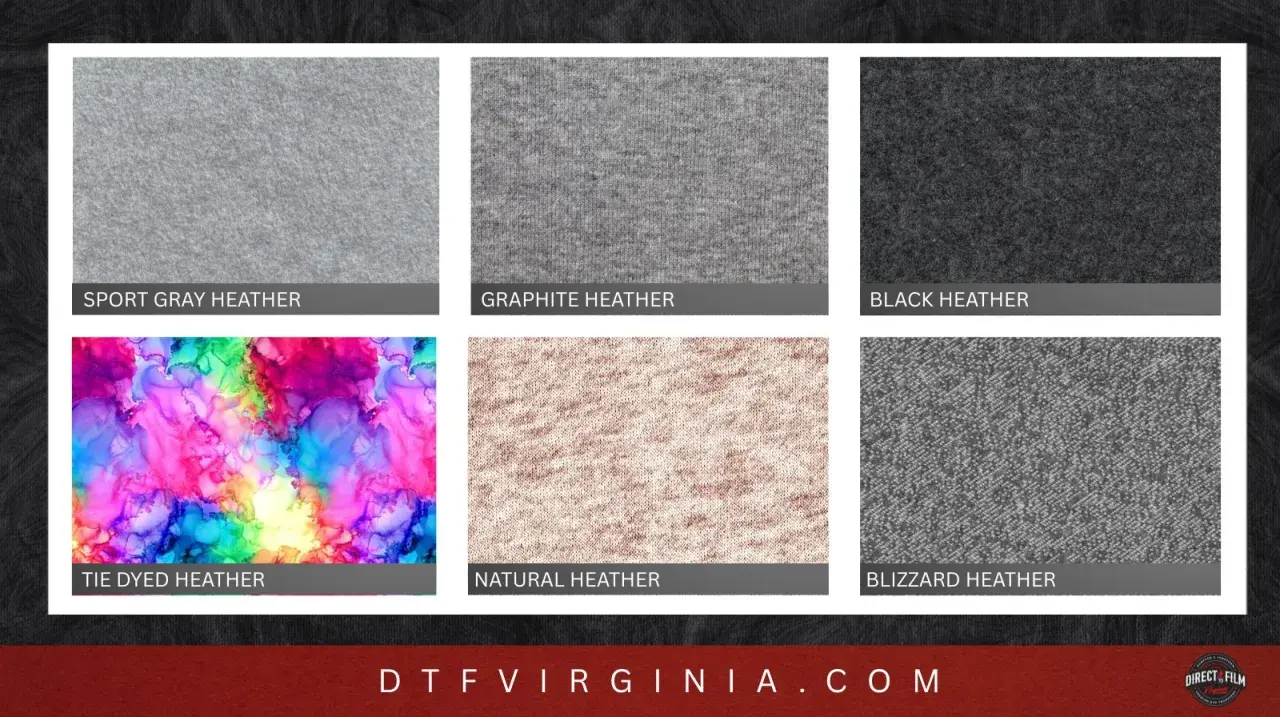
Heathered fabrics have a useful trick: they make everyday clothing look softer, richer, and less flat without adding much visual noise. In apparel, heather core usually points to a mottled blend rather than a single fibre recipe, so the real story is in the yarn construction, fibre mix, and weight. This guide shows how it is made, where it works best, and what I would check before buying it for tees, layers, or loungewear.
The essentials at a glance
- Heathered fabrics get their speckled look from mixed fibres or mixed yarns, often called mélange in textile language.
- The finish is a colour effect first, not a guarantee of softness, stretch, or durability.
- It works especially well in T-shirts, sweatshirts, joggers, casual dresses, and layering pieces.
- Common retail blends include cotton-polyester, tri-blends, and core-spun constructions, each with a different feel.
- For the best result, check fibre content, fabric weight, recovery, and care instructions before you buy.
What the term means in apparel
In clothing, a heathered surface is the visible result of two or more fibres, shades, or yarns being combined so the fabric reads as softly mixed rather than solid. That is why a heather grey T-shirt looks calm and slightly textured instead of flat. The technical textile word is often mélange, but in retail you will still see “heather” far more often.
One thing I always point out is that the look and the composition are not the same thing. A fabric can be heathered and still be mostly cotton, mostly polyester, or a blend of several fibres. Even a 100% cotton fabric can have that effect if different coloured cotton fibres are spun together. The word “core” can also mean different things depending on the supplier, so I never trust the name alone; I check the label and the construction notes.
That distinction matters, because once you separate the look from the build, you can judge the fabric on performance instead of just appearance. From there, the structure becomes easier to read.
How the fabric is built
The heather effect usually comes from one of three approaches, and each one changes the fabric in a different way. Some versions are mostly about colour depth, while others are built for strength or stretch recovery.
Mixed-fibre yarns
In this method, fibres of different colours are blended before spinning. The result is a yarn with tiny visual shifts throughout its length, which creates the speckled look after knitting or weaving. This is common in casual jersey and fleece, where the goal is a relaxed, low-contrast finish.
Core-spun construction
Core-spun yarn has a stronger inner filament wrapped in softer outer fibres. The inner “core” may be polyester, nylon, or elastane, while the surface fibres deliver the hand-feel you notice against the skin. This does not automatically make a fabric heathered, but it often appears in the same apparel world because it gives clothing better stability, stretch recovery, and wear life.
Read Also: Sportswear Fabric Guide - Choose Performance That Lasts
Why the same look can behave differently
A heathered cotton jersey will breathe and feel familiar, while a heathered polyester blend may dry faster and resist wrinkles better. Add rayon or viscose and you usually get more drape. Add elastane and the fabric returns to shape more confidently. So when two garments both look “heathered,” they can still behave like completely different fabrics in use.
| Construction | What it changes | Best use | Main trade-off |
|---|---|---|---|
| Mixed-fibre mélangé yarn | Creates the mottled colour effect | Tees, lounge tops, casual knits | Performance depends on the base fibres |
| Core-spun yarn | Adds strength and shape retention | Fitted tops, workwear, active layers | Can feel more synthetic if the core is heavy |
| Heathered fleece | Adds warmth and visual depth | Hoodies, joggers, sweatshirts | Bulkier and less suitable for warm-weather wear |
Once you know how the yarn is built, the surface texture starts to make sense, and that leads straight into how the fabric actually feels on the body.
How it looks and feels in the hand
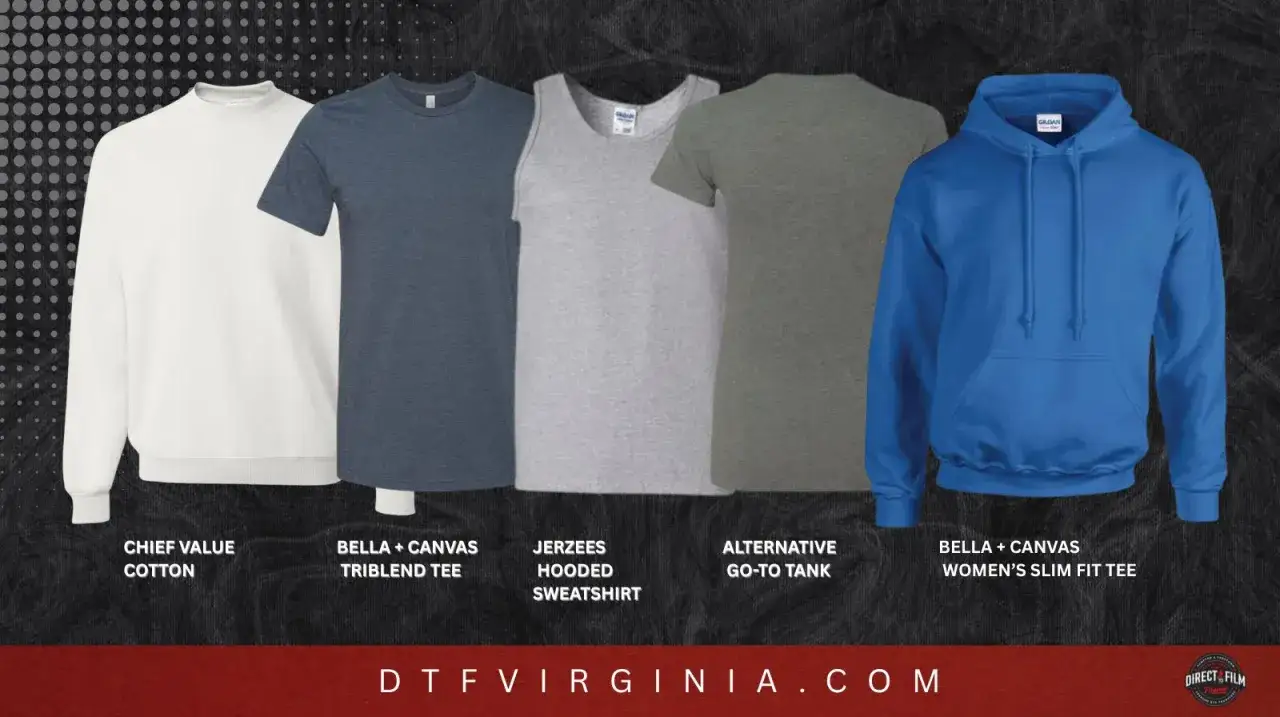
I think of heathered fabric as a quiet way to add depth. It softens bold colour, breaks up large panels, and gives a garment a more lived-in look even when it is brand new. That is why it shows up so often in basics, athleisure, and branded casualwear.
In the hand, the feel depends on the fibre mix. Cotton-heavy versions usually feel familiar and breathable. Polyester-heavy versions tend to feel smoother and more resilient. Rayon or viscose can add a little fluidity, which is why some heathered tees hang better than others. If a garment feels surprisingly plush, check whether it is brushed on the inside, because that changes the comfort level more than the colour effect does.
For UK wardrobes, this matters because a heathered layer is often more useful than a pristine solid. It works well under jackets, on grey days, and in the in-between months when you want something casual but not flimsy. The fabric looks relaxed without looking careless, which is a stronger combination than it sounds.
That balance is exactly why it appears so often in everyday clothing rather than in very structured pieces.
Where it works best in clothing
Heathered blends are at their strongest when the garment needs comfort, easy styling, and a slightly softer visual finish. I reach for them most often in the following categories:
- T-shirts for a casual, broken-in look that is less stark than a solid tee.
- Sweatshirts and hoodies where the texture helps the garment look richer and more substantial.
- Joggers and loungewear because the mixed surface hides everyday wear better than a plain colour.
- Layering tops when I want something easy under overshirts, cardigans, or relaxed jackets.
- Lightweight dresses and tunics if the knit has enough recovery to keep its shape.
It is less convincing when you need crisp structure. Sharp collars, tailored darts, and highly architectural silhouettes usually look better in a fabric with more body and a cleaner surface. Heathered cloth is at its best when it is allowed to stay informal.
That is also why the choice between a heathered basic and a solid basic is rarely about colour alone; it is about how much visual softness you want the garment to carry.
How it compares with solids and tri-blends
When I am choosing between a heathered cloth, a solid jersey, or a tri-blend, I look at drape, print behaviour, and recovery first. The differences are small on paper and obvious once the garment is worn.
| Option | Best for | Strengths | Trade-offs |
|---|---|---|---|
| Heathered cotton-poly blend | Everyday tees, sweats, relaxed basics | Balanced feel, easy to wear, forgiving surface | Can pill if the quality is poor |
| Tri-blend heather | Soft tees, drapey tops, vintage-style garments | Very soft handle, good drape, flattering movement | Less crisp shape and sometimes less opacity |
| Core-spun performance blend | Activewear, fitted layers, workwear | Better strength and recovery, more stable fit | Can feel more synthetic |
| Solid jersey | Graphics, cleaner colour matching, more tailored casualwear | Flat colour, predictable print results, neat finish | Shows lint and wear more plainly |
In retail, I most often see heathered basics built around cotton-poly mixes such as 50/50 or 60/40, while tri-blends usually add rayon for extra drape. Those numbers are not rules, but they are useful reference points when a product description is vague. The more cotton you have, the more natural the feel tends to be; the more synthetic fibre you have, the faster the fabric usually recovers and dries.
If you want a garment that feels casual but still has enough personality to stand on its own, a heathered blend usually gives you more than a solid jersey without asking for much extra care.
How to choose the right version for your project
If I were buying this fabric for sewing or for a finished garment, I would start with the end use and work backwards. That keeps me from overpaying for performance I do not need, or buying a soft drape when I really need structure.
- For tees and lounge tops, I look for midweight jersey with enough cotton for breathability and enough synthetic fibre for shape.
- For hoodies and sweatshirts, I want a heavier knit or fleece that feels stable, not flimsy.
- For activewear, I prefer blends with stronger recovery and a bit of elastane if the garment needs to sit close to the body.
- For print-heavy garments, I choose a surface with a smoother face if the artwork needs clean edges.
- For layering pieces, I pay attention to weight because too much bulk quickly becomes uncomfortable under a jacket.
As a working guide, lightweight tees often sit around 140 to 180 gsm, midweight jersey around 180 to 220 gsm, and sweatshirting around 280 to 320 gsm. Those ranges help me judge whether a garment will behave like a summer basic, a year-round layer, or a cold-weather piece. The number alone does not decide quality, but it tells you a lot about how the fabric will drape and how warm it will feel.
Once you narrow it down by use and weight, the care instructions become much easier to interpret.
Care and sewing details that matter
Most problems with heathered clothing are not dramatic failures; they are slow disappointments caused by heat, rough washing, or the wrong sewing approach. I keep the routine simple. Wash cool, avoid aggressive tumble drying, and turn garments inside out when the surface texture is delicate or the fabric carries a print. If the blend contains cotton or rayon, prewashing is wise before cutting, because shrinkage can change the finished fit enough to matter.
For sewing, I use a ballpoint or stretch needle on knit heathers and test the stitch on a scrap first. If the fabric is brushed, I also treat the finish gently under the iron, because too much heat can flatten the surface. On lighter knits, a little stabilisation at shoulder seams or necklines can stop the garment from stretching out over time. For embroidery or direct printing, the mottled surface can be an advantage if you want a softer, vintage result, but it is less ideal when you need razor-sharp colour fidelity.
These are small habits, but they have a disproportionate effect on how long the garment looks good.
The mistakes I see most often
The most common mistake is treating every heathered fabric as if it were the same thing. It is not. A lightweight cotton-poly tee, a brushed fleece hoodie, and a core-spun performance knit may all share that broken-up look, yet they wear very differently. The second mistake is buying on colour alone and discovering too late that the fabric is too stretchy, too warm, or too thin for the intended garment.
I also see people ignore recovery. A fabric can look beautiful on the roll and still bag at the elbows or knees after a few wears if it has poor snap-back. Another easy trap is expecting a heathered surface to behave like a solid fabric when you print on it. The texture is part of the appeal, but it also changes how graphics, embroidery, and dye appear. Finally, many buyers underestimate pilling: a low-grade blend can start looking tired long before the garment has actually worn out.
Those mistakes are avoidable if you slow down long enough to read the label properly, which is the simplest filter I use before I recommend any version of this fabric.
The label-reading shortcut I use before I recommend one
When I am standing in front of a fabric sample or reading an online description, I check four things in order: fibre content, fabric weight, knit or weave type, and care method. If those details are clear, I can usually predict whether the fabric will feel relaxed, structured, warm, drapey, or durable. If they are vague, I assume the garment will be less predictable than it looks.
- Fibre content tells me whether breathability, recovery, or quick drying is likely to matter most.
- Weight tells me whether the fabric is suited to tees, midlayers, or sweatshirts.
- Construction tells me whether I should expect softness, stretch, stability, or warmth.
- Care instructions tell me how much heat and agitation the fabric can realistically handle.
If I had to reduce the whole decision to one habit, it would be this: trust the label more than the colour description. That one shift saves time, prevents bad buys, and makes heathered fabrics much easier to use well.