Lyocell sits in a useful middle ground: it feels softer and more fluid than many cottons, but it is not the same thing as viscose rayon or a fully synthetic fibre. When people ask what is lyocell, they are usually trying to work out how it is made, how it behaves on the body, and whether it is worth choosing for dresses, shirts, bedding or sewing projects. This guide covers the definition, the manufacturing process, the fabric qualities that matter in real use, and the care and sewing details that can save you from disappointing results.
Lyocell is a modern cellulose fibre with a soft hand and reliable everyday performance
- Definition: lyocell is a regenerated cellulose fibre, usually made from wood pulp, then turned into yarn or fabric.
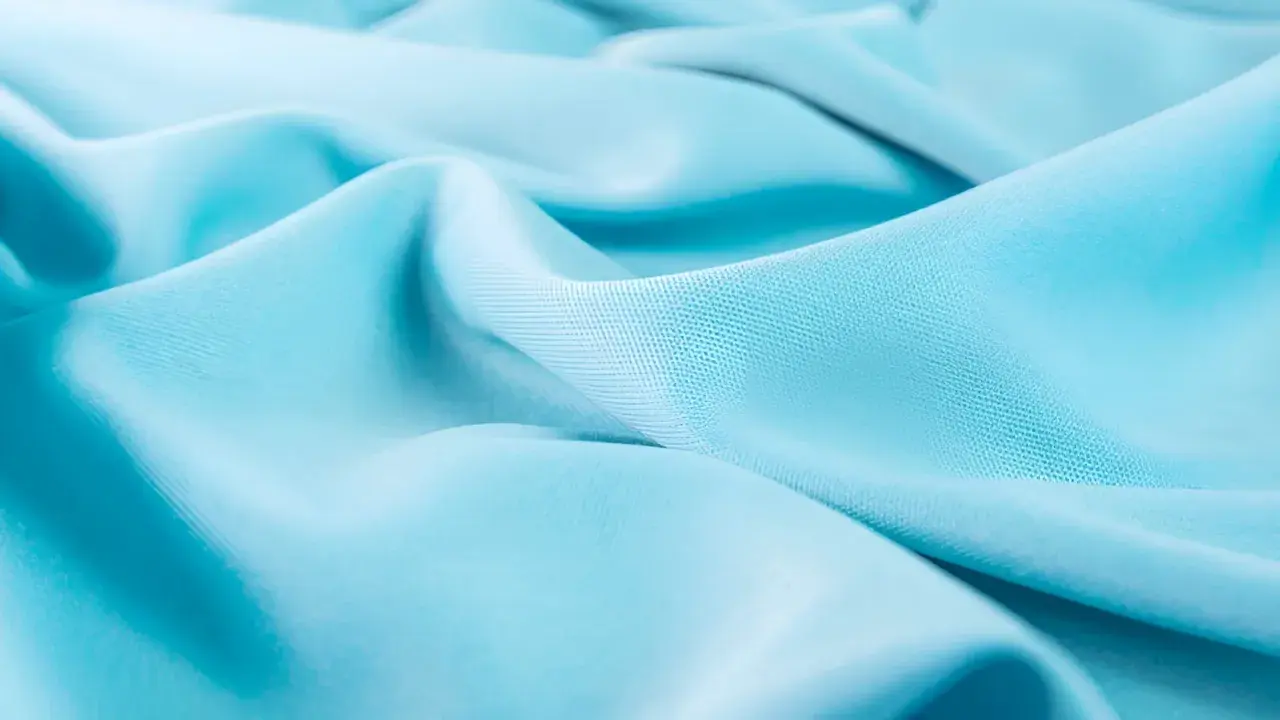
- Feel: it is typically smooth, cool, and lightly silky, with a better drape than many cottons.
- Production: the fibre is made through a closed-loop solvent process, which is more resource-efficient than older rayon routes.
- Best uses: it works especially well for shirts, dresses, skirts, trousers, loungewear, and bedding.
- Main trade-off: it can be slippery to cut, and not every lyocell fabric behaves the same way.
What lyocell actually is
Lyocell is a regenerated cellulose fibre, which means the cellulose starts life as plant material, is dissolved, and then is re-formed into fibre again. In practical terms, that usually means wood pulp, although some modern products also use recycled cellulose feedstock in branded variants. It is neither a raw natural fibre like cotton nor a petroleum-based synthetic like polyester.
The word regenerated matters. It tells you that the cellulose structure is preserved, but the material has been chemically processed into a new fibre form. That is why lyocell often behaves differently from linen or cotton even though it comes from a plant source. You will also see it sold under brand names such as TENCEL, but the generic fibre name is lyocell.
For sewing and fabric buying, the important thing is this: lyocell is a fibre category, not a single fixed fabric. A lyocell twill, a lyocell jersey, and a lyocell satin will all feel and hang differently. That distinction matters more than many buyers expect, and it leads directly into how the fibre is made.
How it is made and why the process matters
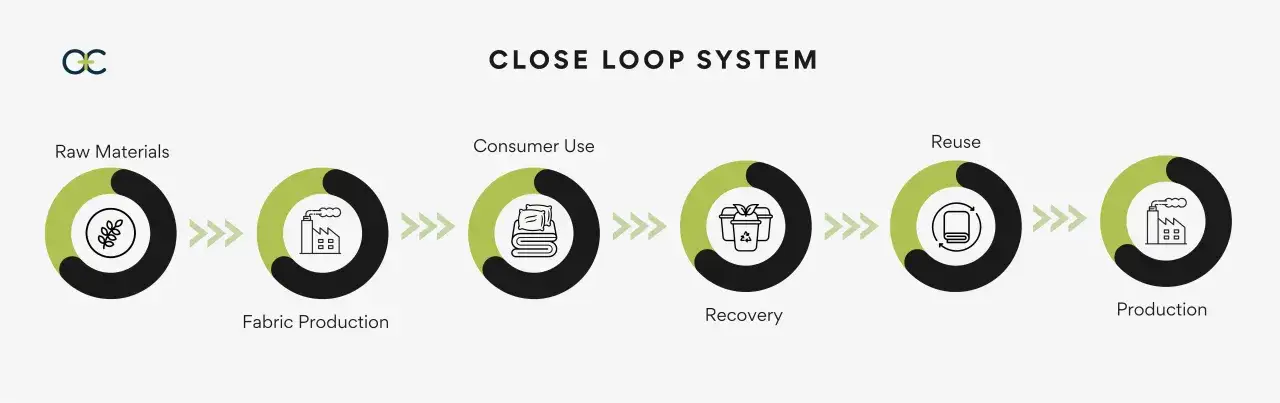
Lyocell is made by dissolving purified cellulose in a solvent, pushing that solution through fine spinnerets, and then regenerating the cellulose into continuous filaments. The best-known process uses a closed-loop system, which means most of the solvent is recovered and reused instead of being thrown away after one pass. In commercial production, recovery rates can be extremely high, and in some established systems they are reported at more than 99.8%.
That closed-loop approach is one of the reasons lyocell is often treated as a cleaner cellulosic option than older viscose production. It is still an industrial chemical process, so I would not describe it as magically low-impact. The real picture depends on the source of the pulp, the energy mix, water management, dyeing, finishing, and how the fabric is used over time.
What matters for the end user is that the process tends to produce a fibre with a smooth surface and a strong internal structure. Those two traits help explain why lyocell feels refined in the hand, why it drapes so well, and why it is used so often in garments that need movement rather than stiffness. From here, the next question is the one most people care about most: how does it actually behave as a fabric?
The qualities that make lyocell useful in fabric work
When I evaluate lyocell for a project, I look at five practical qualities first:
- Softness: the surface is usually smooth and gentle, which makes it comfortable next to the skin.
- Drape: it falls in a fluid way, so garments can look elegant without feeling heavy.
- Moisture handling: it absorbs and releases moisture well, which helps the fabric feel cool and less clammy.
- Strength: lyocell is generally stronger than many people expect for a fibre with such a soft hand, and it tends to perform better when wet than standard viscose.
- Visual finish: it often has a subtle lustre that reads as polished rather than shiny.
There is also a common misconception that all cellulose fibres behave the same. They do not. Compared with viscose, lyocell usually feels sturdier and handles moisture better. Compared with cotton, it has a smoother, more fluid hand. Compared with modal, it is often a little more structured. Those differences matter when you are choosing fabric for a real garment rather than reading a label. That is why the best use cases are worth looking at separately.
Where I would choose lyocell in sewing and home textiles
Lyocell shines in projects that benefit from movement, softness, and a clean surface. If I wanted a fabric that skims the body rather than standing away from it, I would reach for lyocell before many other cellulosic options. It is especially useful in garments and interiors where comfort is as important as appearance.
- Blouses and shirts: the fibre gives a polished look without the stiffness of a crisp cotton poplin.
- Dresses and skirts: the drape helps the fabric flow, which is ideal for midi lengths, wrap shapes, and bias cuts.
- Wide-leg trousers and jumpsuits: lyocell can look tailored while still moving nicely.
- Loungewear and nightwear: the cool hand and moisture management make it comfortable against the skin.
- Bedding: sheets and duvet covers can feel smooth, breathable, and quietly luxurious.
For structured tailoring, I am more cautious. If a design needs a very crisp collar, hard crease, or sharply architectural shape, lyocell may not be my first pick unless it is blended with another fibre. The same is true for projects that need maximum abrasion resistance, such as hard-wearing workwear. In those cases, a blend can give you the benefits of lyocell without asking it to do a job it was not designed for. That makes the comparison with other fibres especially useful.
How lyocell compares with cotton, viscose, modal and polyester
People often compare these fibres as if they were interchangeable, but each one solves a different problem. I find it more helpful to think in terms of feel, behaviour, and the kind of garment or textile you want to make.
| Fibre | Hand feel | Drape | Strength and behaviour | Best for |
|---|---|---|---|---|
| Lyocell | Smooth, soft, lightly silky | Fluid and elegant | Generally strong, with better wet performance than many viscose fabrics | Dresses, shirts, trousers, bedding, loungewear |
| Cotton | Varies from crisp to soft | Usually less fluid unless it is a light weave | Reliable and familiar, often easier to handle | Everyday shirts, quilting, structured casualwear |
| Viscose | Very soft, often fluid | Excellent drape | Can weaken more noticeably when wet and may need gentler handling | Flowing garments and linings where softness matters |
| Modal | Very soft and smooth | Good drape | Often comfortable and stable, especially in jerseys and underwear | Underwear, tees, loungewear, soft knits |
| Polyester | Ranges from dry to silky, depending on finish | Can mimic many looks | Usually wrinkle-resistant and durable, but less breathable | Performance wear, low-maintenance garments, blended fabrics |
The short version is this: lyocell is a strong choice when you want comfort, drape and a refined finish without drifting into the synthetic feel of polyester. I would choose cotton when structure and ease of sewing matter more, viscose when I want very fluid drape at a lower price point, and polyester when resilience and easy maintenance matter most. Once you see those trade-offs clearly, caring for lyocell becomes much easier to get right.
How to care for lyocell and sew it cleanly
Lyocell is not difficult to live with, but it rewards gentle handling. For laundering, I usually recommend a cool or 30°C wash with a mild detergent, a low spin, and minimal overload in the machine. If the fabric is richly dyed or part of a delicate garment, washing it inside out is a sensible extra precaution.
Drying is where many people go wrong. High tumble heat can shorten the life of the fabric and increase creasing, so air drying is usually the safest option. If you do tumble dry, keep it gentle and remove the item while it is still slightly damp. For pressing, use a low to medium setting and test on a scrap first, because the finish of the fabric matters as much as the fibre itself.
When I sew lyocell, I use a sharp needle, fine pins or clips, and a little more care with cutting than I would use for cotton. A Microtex or sharp needle in the 70/10 to 80/12 range is a good starting point for many woven lyocells. Seam finishes matter too: French seams, narrow overlocking, or a clean zigzag help prevent fraying and keep the inside neat. If the fabric will be washed after the garment is finished, pre-washing yardage is a smart move, because it lets the fabric settle before you cut.
One final sewing note: lyocell can shift more than a stable cotton sateen, so I avoid rushing the layout. A little patience here usually pays off in better seam accuracy, smoother curves, and a garment that hangs the way you intended. That brings me to the practical buying checks I would use before committing to a fabric cut.
What I would check before buying a roll of lyocell
Not all lyocell fabrics behave the same way, and the label alone will not tell you everything you need to know. Before I buy, I look at the fibre content, weave or knit type, weight, and finish. A 100% lyocell twill is a very different material from a lyocell-elastane jersey, even though both contain the same base fibre.
- Read the blend carefully: cotton, elastane, linen, wool, or polyester can each change the drape and care needs.
- Check the weight: lighter cloth will drape more, while heavier cloth may be more stable and less clingy.
- Look at the weave or knit: plain weaves, twills, sateens, and jerseys each bring different behaviour to the same fibre.
- Ask how it will be used: a shirt fabric should not be judged by the same rules as bedding or a bias-cut dress.
- Feel the finish: some lyocell is sleek and almost liquid, while other versions are brushed or more matte.