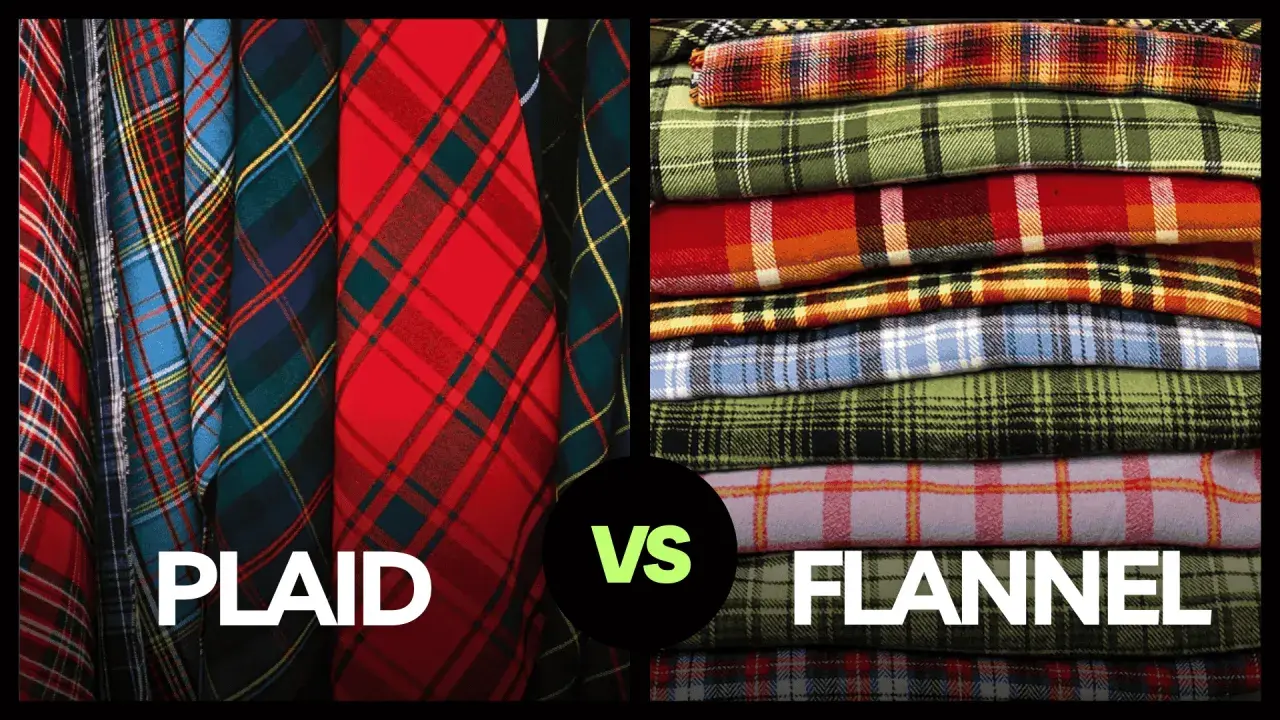
Flannel gets talked about as if it were a pattern, but that is only part of the story. In textile terms, it is a soft woven fabric with a brushed or napped surface, which is why it behaves differently from printed checks, tartans, or other surface designs. In this guide I explain what flannel actually is, how it differs from plaid, how to recognise it in the shop, and which projects it suits best.
Flannel is the fabric construction, while plaid is only one possible design
- Flannel refers to a fabric, usually woven and then brushed for a soft finish.
- Plaid is a pattern, so it can appear on flannel, cotton, wool, or many other textiles.
- Not every flannel shirt is plaid, and not every plaid shirt is flannel.
- Cotton flannel is common for shirts, pyjamas, and bedding; wool flannel is often used in tailoring.
- When sewing with flannel, the nap, shrinkage, and fraying matter more than the print.
What flannel actually means
When I describe flannel, I am talking about a fabric type, not a visual motif. It is usually woven from cotton, wool, or a blend, then brushed or otherwise finished so the surface feels soft and slightly fuzzy. That brushed surface is the part people notice first, but the important point is that the fabric’s identity comes from its structure and finish, not from a stripe, check, or colour scheme.
In practical sewing terms, flannel can be lightweight or fairly substantial, and it can be made with different fibres depending on the job. Cotton flannel is common in casual clothing and bedding because it feels soft and comfortable against the skin. Wool flannel tends to be smoother and more tailored, which is why it shows up in trousers, jackets, and suits. Once you separate the fabric from the print, the next confusion becomes much easier to untangle.
Why flannel is often mistaken for plaid
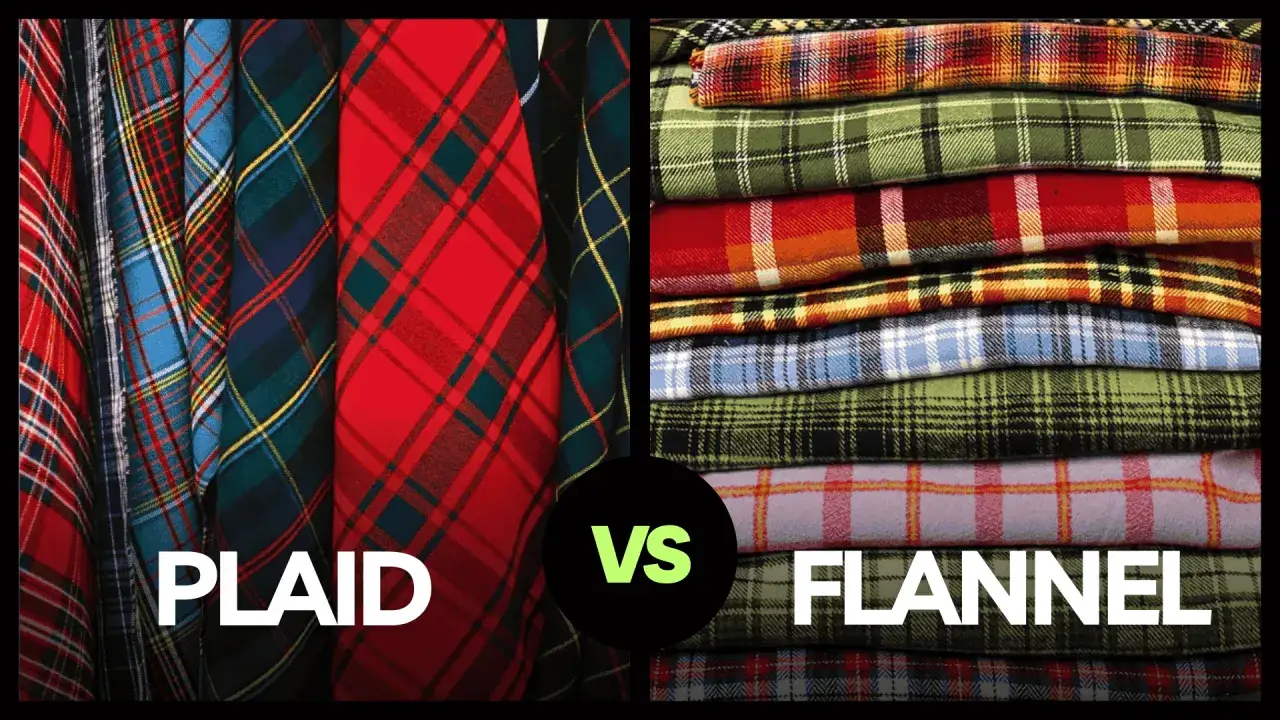
The confusion comes from habit. Many people picture a red-and-black checked shirt when they hear flannel, so the pattern and the fabric get mentally merged. But plaid is simply a design made from intersecting lines or bars, and that design can be printed or woven into plenty of fabrics that are not flannel at all.
I usually explain the difference this way: flannel tells you how the cloth is made and feels; plaid tells you how the surface looks. A fabric can be plain, striped, checked, tartan, or printed and still be flannel if it has the right woven and finished character. Likewise, a plaid shirt might be made from poplin, cotton, viscose, or something else entirely. That is the most useful mental split to keep in mind.
| Term | What it describes | What you should notice first | Can it overlap with flannel |
|---|---|---|---|
| Flannel | A soft woven fabric with a brushed or napped finish | Hand feel, warmth, surface texture | Yes, always, because flannel is the fabric itself |
| Plaid | A criss-cross pattern of intersecting lines | The visual arrangement of stripes and blocks | Yes, if the flannel is printed or woven in plaid |
| Tartan | A specific kind of patterned check with heritage rules in Scottish textiles | Colour balance and repeated band structure | Yes, tartan can be woven into flannel |
| Check | A regular grid-like pattern, usually simpler than plaid | Even spacing and repeating squares | Yes, check can appear on flannel too |
That distinction matters most when you are buying fabric, because the label can describe either the cloth or the print depending on the shop. The next step is knowing how to spot true flannel before you commit to a project.
How to recognise flannel in a shop or studio
If I am unsure whether a fabric is flannel, I look beyond the print and focus on the surface. The first clue is texture: flannel usually feels soft, warm, and slightly brushed, with a muted hand rather than a crisp one. You will often notice that the cloth has a gentle loft, meaning the surface rises slightly instead of lying perfectly flat.
There are a few practical checks that help:
- Feel the surface for a brushed or napped finish, not just a smooth woven face.
- Look at the fibres under light; flannel often has a soft, slightly hazy appearance.
- Check the drape; cotton flannel tends to hang softly, while wool flannel has more body.
- Ask about the fibre content; cotton flannel, wool flannel, and flannelette are not identical.
- Inspect the edges; flannel often frays more than tightly woven shirting, so the weave matters.
In British fabric shops, I also see the term brushed cotton used for cloth that has a flannel-like feel, especially in bedding and nightwear. That is not always identical to traditional wool flannel, but the shopping logic is similar: texture and finish matter more than the print on top. Once you know how to identify the fabric, the next question is what it is actually good for.
Which flannel works best for different projects
Flannel is versatile, but it is not equally good for every garment or home project. The fabric choice should follow the outcome you want: softness, warmth, structure, or easy care. I tend to separate flannel into three practical categories when I am choosing material for a project.
For shirts and overshirts
Midweight cotton flannel is the classic choice here. It gives a relaxed feel, sits comfortably over layers, and works well for casual shirts and overshirts. I would not choose it if I wanted a sharp, crisp silhouette, because flannel naturally softens the line of the garment.
For bedding and sleepwear
Brushed cotton flannel is ideal when warmth and comfort matter more than structure. It traps a little more air than plain shirting cotton, which makes it useful for cooler bedrooms and winter bedding. The trade-off is that it can feel too warm for people who already sleep hot, so the room temperature and your own preference both matter.
For tailoring and structured clothing
Wool flannel has a different character altogether. It is smoother, denser, and often used in trousers, jackets, and suits because it drapes well without looking flimsy. This is the version I reach for when I want softness with enough body to keep the garment looking intentional.
Read Also: Double Knit Fabric - Your Guide to Choosing & Sewing It Right
For quilts and craft work
Lighter cotton flannel is pleasant for patchwork, baby items, and soft furnishing projects, but I would always prewash it first. Flannel can shrink and distort more than people expect, and that becomes obvious once you start piecing it with other fabrics. If you mix it with stable quilting cotton, test the wash behaviour before you cut everything.The safest rule is simple: choose the flannel that matches the finished purpose, not the one that only looks familiar. The fabric can be cosy, elegant, or functional, but the wrong weight will make even a good design feel off. That is why sewing and care details matter more than many beginners expect.
What to watch for when sewing and caring for flannel
Flannel is forgiving in some ways and slightly annoying in others. It is comfortable to wear and easy to handle once you understand its habits, but it can shrink, fray, and pill if you treat it like a plain stable cotton. My rule is to prepare for movement in the fabric rather than hoping it will behave like poplin.
These details make the biggest difference:
- Prewash first so you can deal with shrinkage before you cut.
- Cut with the nap in mind if the surface has a clear direction; pieces cut the wrong way can look slightly different in colour and sheen.
- Use a fresh needle, usually a universal or microtex needle in the 80/12 to 90/14 range for many dressmaking projects.
- Keep the stitch length slightly longer, around 2.5 to 3 mm, so the seam does not look tight and puckered.
- Finish raw edges because flannel can fray more than tightly woven fabrics.
- Wash gently and avoid excessive heat, which can encourage pilling and shortening of the fibres.
If a fabric looks soft but behaves strangely in the sewing room, I also check whether it is actually fleece or a brushed knit rather than woven flannel. That mix-up is common, and it changes the entire handling process. Once you can read the fabric correctly, the final choice becomes much easier.
The simplest rule I use before I call something flannel
My quick test is this: if the answer sits in the construction and finish, I treat it as flannel; if the answer sits in the colour layout or linework, I treat it as a pattern. That gives me a clean way to separate fabric from design without getting lost in shirt-shop shorthand or marketing labels.
So the practical answer is straightforward. Flannel is a fabric, while plaid is a pattern that may be printed or woven onto that fabric. If you are choosing cloth for sewing, look first at the fibre, weave, nap, and weight, then decide whether the pattern supports the project you have in mind. That order saves a lot of wrong purchases, and it usually leads to a better result at the sewing table.