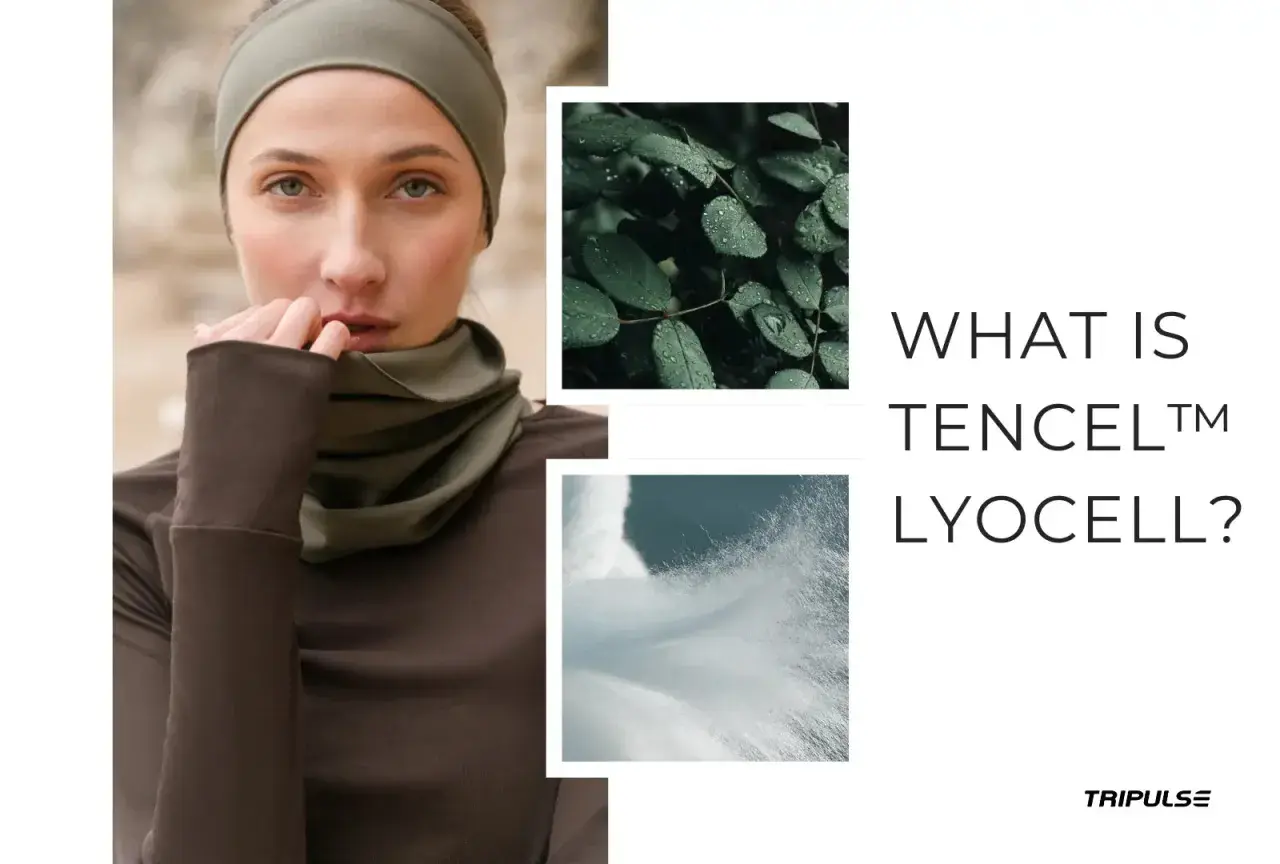
Lyocell fabric is a regenerated cellulose textile that sits in the rayon family, and it has earned its place in modern sewing because it combines a soft hand with good drape and a more controlled production process than many older rayon types. In this guide, I break down how it is made, how it behaves in clothing, how it compares with viscose and cotton, and what I would check before buying or sewing it. That practical angle matters, because the fibre can look luxurious on the roll and still disappoint if the weave, weight, or finish are wrong for the project.
The essentials at a glance
- It is a regenerated cellulose fibre made from wood pulp, so it belongs to the broader rayon family.
- It usually feels smooth, breathable, and fluid, with better wet performance than standard viscose.
- It works especially well for dresses, shirts, relaxed trousers, linings, and soft tailoring.
- Most garments do best at 30°C on a gentle cycle, then air-dried away from high heat.
- Sustainability depends on the source pulp, the solvent-recovery system, and the finishing, not just the fibre name.
What lyocell is and how it is made
I think of lyocell as a bridge between plant-based fibres and the smoother, more fluid end of the textile market. Textile Exchange groups it with the main manmade cellulosics, which is the right mental model: the raw material is cellulose, but the final performance depends on how that cellulose is dissolved, spun, and finished.
In the typical lyocell process, purified wood pulp is dissolved in an organic solvent, pushed through tiny spinneret holes, and re-formed into fibres. Lenzing describes its lyocell route as a closed-loop system and says it recovers 99.8% of the NMMO solvent in its branded process, which is exactly the sort of detail I want buyers to ask about rather than stopping at a marketing label.
That process explains the two things people notice first: the smooth surface and the strong, clean fall. It also explains why not every lyocell cloth feels the same. The fibre is only half the story; weave, weight, and finishing do the rest. Once you understand that, its everyday behaviour becomes much easier to predict.
How it feels and performs in everyday wear
In the hand, lyocell usually feels cool, smooth, and slightly silky without the slippery excess that can make some rayon fabrics awkward to sew. The word drape matters here, because it describes the way a cloth hangs and moves. Lyocell drapes well, so it suits garments that need movement rather than stiffness.
- Breathability and moisture management make it comfortable for shirts, summer dresses, and layered pieces.
- Wet strength is better than many people expect from a rayon family fibre, so it tends to handle washing more calmly than standard viscose.
- Wrinkling can still happen, especially in light weaves and when the garment is packed or sat on for long periods.
- Stability depends heavily on the construction. A twill or dense weave behaves very differently from a soft, open weave.
That mix is why I like it for UK wardrobes: it works in changeable weather, but it still feels polished indoors. The limitation is simple. If you want a fabric to stand away from the body and hold a sharp crease, this is not usually the first choice. Next, I would compare it with the fibres people most often shop against.
How it compares with viscose, cotton and linen
The quickest way to judge it is to compare it with the fabrics most buyers already know. I usually place it between viscose and cotton in terms of practicality, while linen sits on a different branch altogether because of its texture and crispness.
| Fabric | What it is best at | Main trade-off | Good use cases |
|---|---|---|---|
| Lyocell | Smooth drape, softness, comfort against the skin | Can crease, and loose constructions need careful handling | Blouses, dresses, soft trousers, lining, relaxed tailoring |
| Viscose | Fluid drape and lower entry price | Usually less robust when damp and can lose shape more easily | Flowy tops, occasion dresses, light fashion pieces |
| Cotton | Stability, familiarity, easy care | Less fluid and sometimes less elegant in draped garments | Everyday shirts, tees, casual wear, bedding |
| Linen | Crispness, breathability, texture | Wrinkles readily and feels less fluid | Summer shirts, tailored separates, relaxed trousers |
My short version is this: if you want viscose-like movement but more confidence in wear and washing, lyocell is often the smarter starting point. If you want a fabric that feels more grounded and less fluid, cotton wins. If you want visible texture and a drier, crisper hand, linen is still the reference point. With that comparison in mind, the next question is how to sew the cloth without fighting it.
How I would sew it for the cleanest result
Sewing this fibre is straightforward once you stop forcing it to behave like cotton poplin. The main challenge is control, not difficulty. A few small adjustments make a big difference to the finish.
- Prewash the yardage in the same way you plan to care for the finished garment. I treat this as non-negotiable, because a fluid cloth should be allowed to relax before cutting.
- Cut on a flat surface with fresh scissors or a rotary cutter. Letting it hang over the table edge for too long can distort the grain.
- Use a fine needle, usually a microtex or universal 70/10 for light weights and 80/12 for medium weights, plus good-quality polyester thread if the garment needs extra resilience.
- Reduce presser-foot pressure if your machine allows it. That helps prevent the feed dogs from stretching the cloth as it moves through.
- Finish raw edges cleanly with French seams, a narrow overlock stitch, or binding, depending on the weight of the cloth and the garment style.
- Press with care at low to medium heat and use a pressing cloth if the surface is very smooth or slightly lustrous.
I also stay stitch curved areas such as necklines and shoulder seams when the cut is especially fluid, because that extra step prevents small distortions from becoming visible later. If you handle it gently at the machine, the care routine after sewing becomes much easier too.
Washing and care without flattening the hand feel
Good care is mostly about avoiding heat and overhandling. I would not baby every garment, but I would treat this one more carefully than basic cotton because the finish is often part of the appeal.
| Care step | What I recommend |
|---|---|
| Washing | 30°C on a gentle cycle, unless the care label says otherwise |
| Detergent | Mild liquid detergent, used sparingly |
| Spin | Low to moderate spin, especially for fluid dresses and shirts |
| Drying | Air-dry flat or on a hanger, away from direct heat |
| Ironing | Low to medium heat, ideally while slightly damp, with steam if needed |
If the garment is lined, tailored, or embellished, I follow the garment label first and the fibre label second, because construction can change the safe care range. Hot tumble drying is the main thing I avoid. It can flatten the surface, add unnecessary shrinkage risk, and make a smooth cloth feel tired before its time. Once the care routine is sorted, the next decision is where the fibre genuinely earns its keep.
Where it earns its place in a wardrobe
I reach for this fibre when softness, movement, and a cleaner finish matter more than crisp structure. It is particularly good when a garment needs to skim rather than cling, which is why it turns up so often in clothes people actually wear often.
- Shirt dresses and blouses where you want movement without a slippery feel.
- Wide-leg trousers and culottes where drape helps the shape look intentional rather than bulky.
- Fluid skirts that need body and swing without the weight of a heavy weave.
- Linings and underlayers where comfort against the skin matters.
- Relaxed tailoring when you want polish but not a rigid silhouette.
There are also situations where I would choose something else. For sharply tailored jackets, hard pleats, or workwear that has to keep a very defined shape, cotton, twill, wool, or a blended construction usually makes more sense. A small amount of elastane improves recovery, but it also changes the hand feel and makes the fabric less purely cellulosic. The best use case is therefore not “everything soft”, it is “the right level of softness for the job”. That brings me to the last detail I check before I buy.
What I would check before buying the next bolt
My rule is simple: I trust a specification sheet more than a vague sustainability claim. Textile Exchange is useful here because it makes the point clearly that manmade cellulosics are made from dissolved wood pulp, but their environmental footprint still depends heavily on the source material and the way the fibre is produced.
- Fibre content matters first. 100% lyocell behaves differently from a blend with cotton, elastane, or polyester.
- Weight changes everything. Light shirt weights feel airy, mid-weights suit dresses and trousers, and heavier cloth reads more structured.
- Weave or knit changes the result more than most people expect. A sateen, twill, jersey, or plain weave all create a different garment.
- Finishing changes feel and care. Brushed, polished, or enzyme-finished cloth will not behave the same way.
- Source and certification are worth checking. I look more favourably on clear claims about FSC or PEFC wood sourcing, OEKO-TEX STANDARD 100, or an EU Ecolabel than on general green language.
Lenzing says its closed-loop lyocell process recovers 99.8% of the NMMO solvent, which is a good reminder that process detail matters as much as fibre name. If a product page gives me no weave, no weight, and no care guidance, I assume I am looking at a generic fashion listing rather than a carefully specified textile. My practical takeaway is unchanged: choose lyocell when you want softness, movement, and a calmer rayon alternative, but check the weave and weight before you buy. When those details line up, it becomes one of the most reliable fabrics for polished everyday sewing, especially for pieces that need to feel modern without looking overworked.