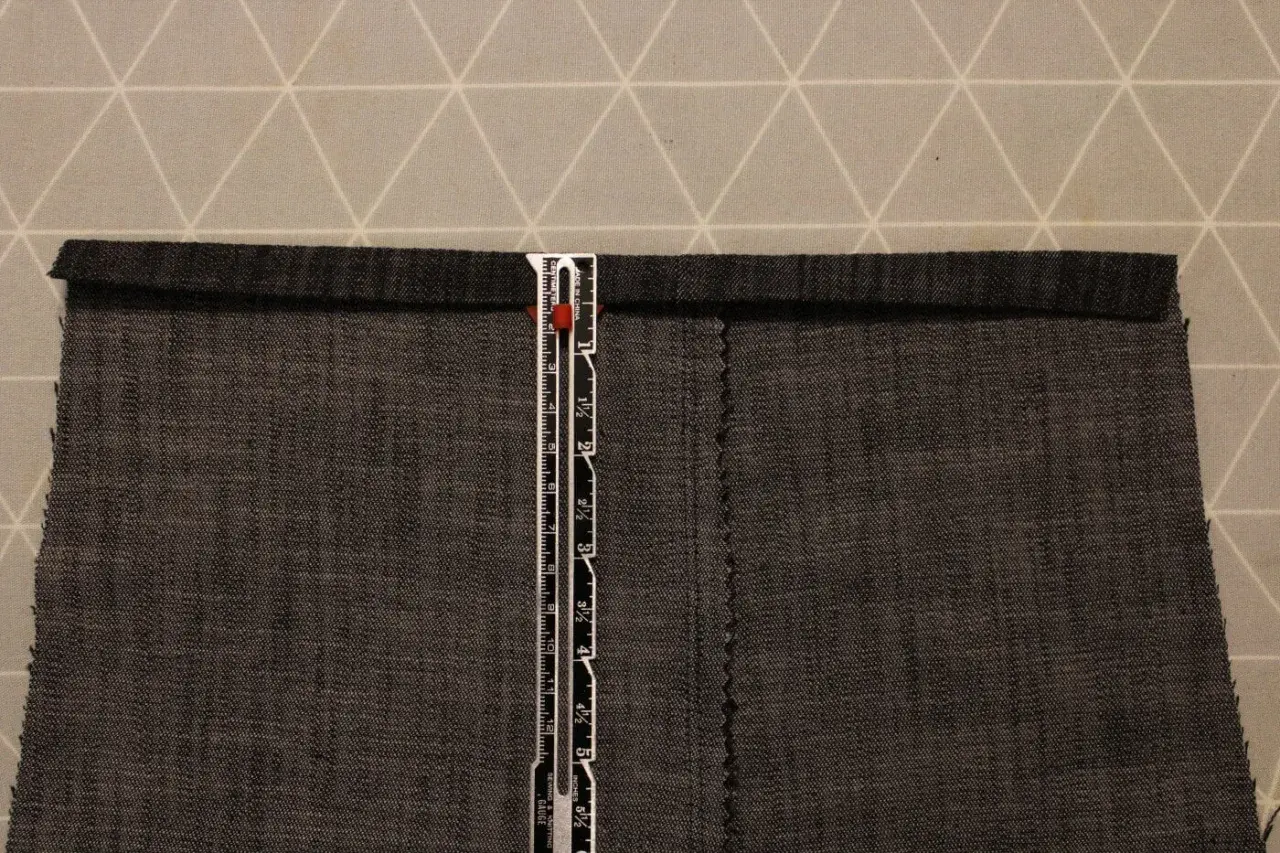
Cotton twill is one of those fabrics that quietly does a lot of work: it gives clothing structure, softens with wear, and stays useful long after trendier fabrics have lost their appeal. This article answers a simple question: what is cotton twill, and why does it matter in sewing? I cover the weave itself, how it feels, where it works best, and how to choose and care for it so you end up with fabric that suits the project rather than fighting it.
The essentials at a glance
- Cotton twill is cotton yarn woven in a diagonal twill structure, so it is a weave, not a fibre.
- The diagonal structure usually gives it better drape and durability than a plain-weave cotton.
- It works well for trousers, jackets, skirts, bags, uniforms and many home-sewing projects.
- Lighter twills feel softer and easier; heavier twills hold shape better but can feel warmer and stiffer.
- It is easy to sew, but it rewards prewashing, careful pressing and sensible needle choice.
How the weave works
I think the easiest way to understand cotton twill is to forget the fibre for a moment and look at the structure. CottonWorks describes twill weaves as diagonal, and that is the first clue I use when identifying them on the table. The weft passes over one or more warp threads and then under two or more, and the offset shifts from row to row to create the familiar diagonal rib.
That structure can be simple or quite dense. A 2/1 twill has a shorter repeat and a clearer diagonal; a 2/2 twill feels more balanced; a 3/1 twill is denser and usually more robust, which is why it shows up in heavier trousers and workwear. When the weave is broken or redirected, you start to see variations such as herringbone or chevron, which are still twill-based but read differently on the surface.
The direction of the line can also lean left or right, but for most sewists the more important question is how tightly the cloth is woven and how that changes the feel in use. That leads straight into why the fabric behaves so differently from other cottons.
Why it feels different from other cottons
Cotton twill usually feels more substantial than a plain-weave cotton because more threads sit close together on the surface. The result is a fabric that tends to drape better, crease in a softer way and look slightly more polished than something like cotton poplin. It is still breathable, because the fibre is cotton, but the density of the weave can make it feel warmer and less airy than a fine shirt cotton.
That is the balance I find most useful: you get comfort without the crisp, papery feel that some people dislike in lighter cottons. At the same time, the extra body means it can hide everyday wear a little better, especially in darker colours or brushed finishes. The trade-off is simple enough. The tighter and heavier the twill, the more structure you get, but also the more heat, weight and stiffness you may notice.
So if you have ever wondered why one cotton behaves like a sharp shirt and another feels like a proper garment fabric, the weave is usually the reason.
Where I would use it in sewing and clothing
For everyday dressmaking, cotton twill is one of the most practical fabrics I reach for. It suits trousers, chinos, skirts, overshirts, chore jackets, aprons, utility dresses, tote bags and structured home accessories. In the UK, it is especially handy for smart-casual pieces that need to look neat without being delicate.
What I like most is that it holds its shape well enough for tailoring details, but not so rigidly that it fights the body. A medium-weight twill can give a pair of trousers a clean line; a softer one can make a skirt or shirt jacket feel more relaxed; a heavier version is better when you want a bag, a seat cushion cover or a jacket that needs real body.
- Trousers and chinos work best when you want structure with comfort.
- Jackets and overshirts benefit from twill’s balance of drape and strength.
- Tote bags and aprons need the abrasion resistance that twill usually handles well.
- Skirts and dresses need a softer, lighter twill so the garment moves instead of feeling boxed in.
- Home sewing projects often work well with twill because it looks neat and wears hard.
If I had to choose one sentence for this section, it would be this: cotton twill is at its best when you want a fabric that behaves like clothing, not like decoration.
How it compares with poplin, denim and canvas
Comparisons are where fabric choice usually becomes clear. Twill sits between the crispness of poplin and the heaviness of canvas, while denim is really a specialised twill with its own identity. If you are choosing for a sewing project, I would compare them like this:
| Fabric | Weave | How it feels | Best for | Typical trade-off |
|---|---|---|---|---|
| Cotton twill | Diagonal twill weave | Structured, slightly textured, good drape | Trousers, jackets, skirts, bags | Heavier versions can feel warm or stiff |
| Cotton poplin | Plain weave | Crisper and smoother | Shirts, lighter dresses, linings | Less body and usually less durability |
| Denim | Twill weave, usually warp-faced | Denser, tougher, often more rigid at first | Jeans, workwear, casual jackets | Heavier and more limiting in drape |
| Canvas | Plain weave | Firm, robust, sometimes stiff | Bags, upholstery, utility items | Less graceful drape and often less comfort next to the body |
The table is useful, but there is one subtle point I would not ignore: denim is not the opposite of twill, it is one of its most familiar relatives. That matters because the same visual family can produce very different results once the yarns, weight and finish change.
Once you can place twill in that family, choosing the right version becomes much easier.
How to choose the right twill for a project
I usually narrow cotton twill down by asking five questions before I buy it. First, how much structure does the project need? Second, how much drape do I want? Third, will the fabric sit close to the skin? Fourth, do I need the cloth to survive friction? Fifth, do I want a clean, formal look or a softer, more casual one?
- Choose a lighter twill for shirts, softer dresses and garments that need movement.
- Choose a medium twill for trousers, overshirts and everyday jackets.
- Choose a heavier twill for bags, utility pieces and structured outerwear.
- Check the finish because brushed or peached surfaces feel softer, while mercerised cotton has been treated to increase lustre and strength.
- Look for stretch only if you need it; a little elastane can improve comfort, but it also changes pressing and sewing behaviour.
My own rule is simple: if the garment needs to skim the body, I avoid a cloth that feels board-stiff in the shop; if it needs to stand away from the body or take abuse, I lean towards something denser. That is the kind of judgement that saves time later, because the wrong twill is usually not unworkable, just disappointing.
Once you know how to judge the cloth before you cut it, the sewing side becomes much less frustrating.
Cutting, sewing and caring for it without fighting the fabric
Cotton twill is friendly to sew, but I still treat it with respect because a dense weave can mislead beginners into thinking it behaves like a forgiving basic cotton. Prewash it if the finished item will be washed; that gives you a more honest sense of shrinkage, colour loss and softness. I also press a test square before I commit, because some twills relax dramatically after steam while others hold their shape almost stubbornly.
Before you cut
Square up the grain carefully, especially on heavier twills where the diagonal can tempt the fabric off-line. If the cloth has a strong right- or left-hand twill line, use that as a visual guide rather than relying only on the cut edge.
While you sew
I would start with a sharp universal needle around 80/12 for lighter twills and move up to 90/14 for denser cloth; if the surface is tightly woven or slightly abrasive, a microtex or denim needle can be cleaner. Lengthen the stitch a little on bulky seams, grade seam allowances where needed, and press as you go so the diagonal texture does not get flattened in the wrong place. A walking foot is useful when several layers want to creep, but it is not mandatory for every project.
Read Also: Double Knit Fabric - Your Guide to Choosing & Sewing It Right
When you finish and wash it
Finish the raw edges, because twill is durable but it is not magic. A zigzag, overlock or bound seam will stop fraying from creeping into the seam allowance. For washing, mild detergent and sensible temperatures are usually enough, but I would still follow the care label if the fabric has a special finish. Turn darker items inside out, avoid aggressive drying unless the maker says otherwise, and use steam to restore the cloth’s shape after laundering.
The practical point here is that twill rewards ordinary good sewing habits more than it rewards fancy tricks.
The small details that make cotton twill worth using well
After years of handling fabric, I think the real appeal of cotton twill is its honesty. It tells you what it wants to be almost immediately: stronger than a shirt cotton, softer than canvas, and more tailored than something purely casual. That is why it appears so often in garments that need to work hard without looking technical.
If you remember only three things, make them these. Cotton twill is a weave, not a fibre. Weight and finish matter as much as the name on the selvedge. And the best version for your project is the one that matches the garment’s movement, not just its appearance on the roll.
That is usually enough to separate a good fabric choice from a merely convenient one, and it is the difference I look for every time I plan a new sewing project.