An overlocker is one of the most useful machines in a sewing room when the goal is a clean edge rather than a decorative trick. A well-set-up overlocker solves a very specific problem, so it is natural to wonder what is a serger when you start comparing machines. In the UK, the same machine is usually called an overlocker, and this guide explains what it does, when it earns its keep, and what to look for before you buy one.
The practical answer in one glance
- It is a specialist machine for trimming and finishing raw edges quickly.
- UK sewing references usually say “overlocker”; US content often says “serger”.
- Most home models use 2, 3, or 4 threads, with 3-thread and 4-thread setups covering most everyday sewing.
- It is especially useful for knits, activewear, and fast seam finishing.
- It does not replace a standard sewing machine for straight stitching, buttonholes, or zips.
What an overlocker actually does
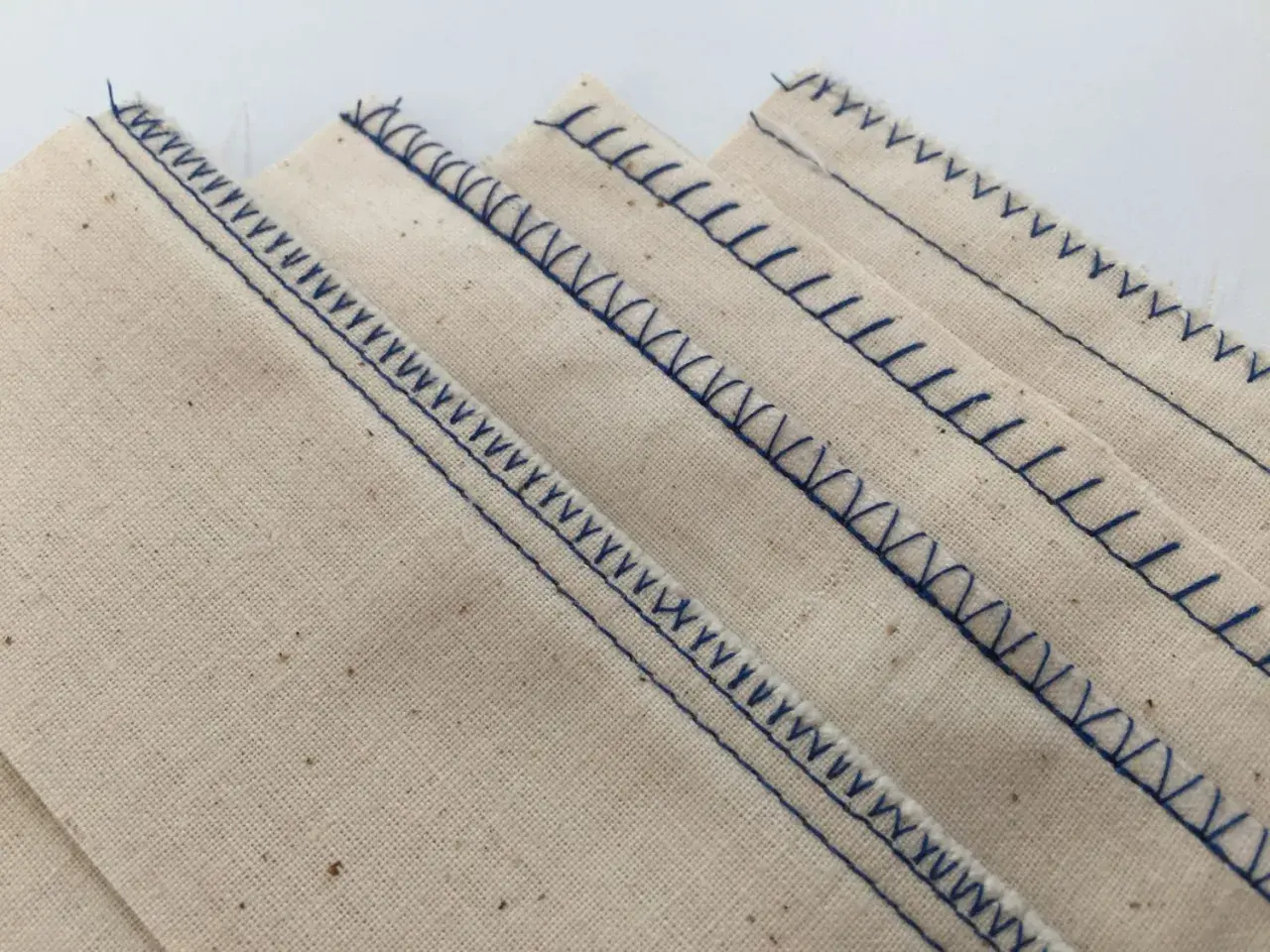
I usually describe an overlocker as a finishing machine first and a construction machine second. It trims the seam allowance with a small knife, stitches the fabric, and wraps the raw edge with looped threads in a single pass, which keeps seams neat and slows fraying. That is why hems on T-shirts, jersey dresses, and activewear often look so polished, and why some machines can run at up to 1,700 stitches per minute.
It is also worth being clear about the limit: an overlocker does not replace a standard sewing machine. It does not do buttonholes, most topstitching, or the straight-stitch seam construction that still carries a huge amount of everyday sewing. I think of it as the machine that cleans up the job your regular machine starts.| Task | Sewing machine | Overlocker | Why the difference matters |
|---|---|---|---|
| Finish raw edges | Can zigzag or overcast after sewing | Trims and overcasts in one step | Cleaner edges with less handling |
| Sew stretch fabric | Possible, but depends on stitch choice | Excellent for knits and jersey | Better stretch and recovery |
| Insert buttonholes or zips | Yes | Not its main job | The regular machine still matters |
| Work fast on long seams | Slower overall | Built for speed | Useful when you sew a lot of garments |
Once you see that split, the terminology becomes less important than the job the machine is built to do, which leads straight into the naming confusion people run into online.
Why the name changes between countries
In the UK, Australia, and much of Europe, the term overlocker is the normal one. In the US and Canada, people usually say serger. The machine is the same, so the label tells you more about geography than about capability.
That matters when you are shopping or watching tutorials, because manuals, courses, and second-hand listings can use either word. I advise readers to ignore the name on the box and check the machine functions instead: thread count, differential feed, knife control, and whether it can handle the fabrics you sew most often. If you remember only one thing from this section, make it this, the terminology changes, but the machine’s purpose does not.
Once that is clear, the stitch structure itself starts to make sense, and the thread count stops looking like technical noise.
How the stitch is built and why thread count matters
The stitch is built around needles, loopers, and a knife. The loopers replace the bobbin system you get on a conventional machine, and differential feed lets the front and back feed dogs move at different speeds so knit fabric does not ripple or stretch out. That is a small-sounding feature with a big effect, especially if you sew jersey, viscose knits, or lightweight fabric that likes to misbehave.
| Thread setup | Best for | What it does well | Limits |
|---|---|---|---|
| 2-thread | Light edge finishing, decorative edging, flatlock on lighter fabrics | Uses less thread and can give a narrow finish | Less suitable for seams that will take stress |
| 3-thread | General seam finishing, knits, narrow rolled hems | Trims, stitches, and overcasts in one operation | Avoid it in high-stress woven seams |
| 4-thread | Stronger seams on wovens and knits, safety stitch work | Adds more security and is a practical all-round choice | Uses more thread and needs slightly more setup |
Thread count is not about status. It is about choosing the simplest stitch that still gives the finish and strength you need. That distinction becomes easy to spot once you think in terms of real projects rather than machine specs.
When an overlocker earns its keep
I reach for an overlocker when the project needs stretch, speed, or a cleaner inside finish than a zigzag can deliver. It is especially useful on garments made from knit fabric, because the seam can move with the cloth instead of fighting it.
- Knit tops and T-shirts, where the seam needs stretch and a neat interior.
- Leggings, gym wear, and swimwear, where recovery matters and fraying must be controlled.
- Quick garment finishing, where I want to trim and seal the edge before the fabric starts to fray.
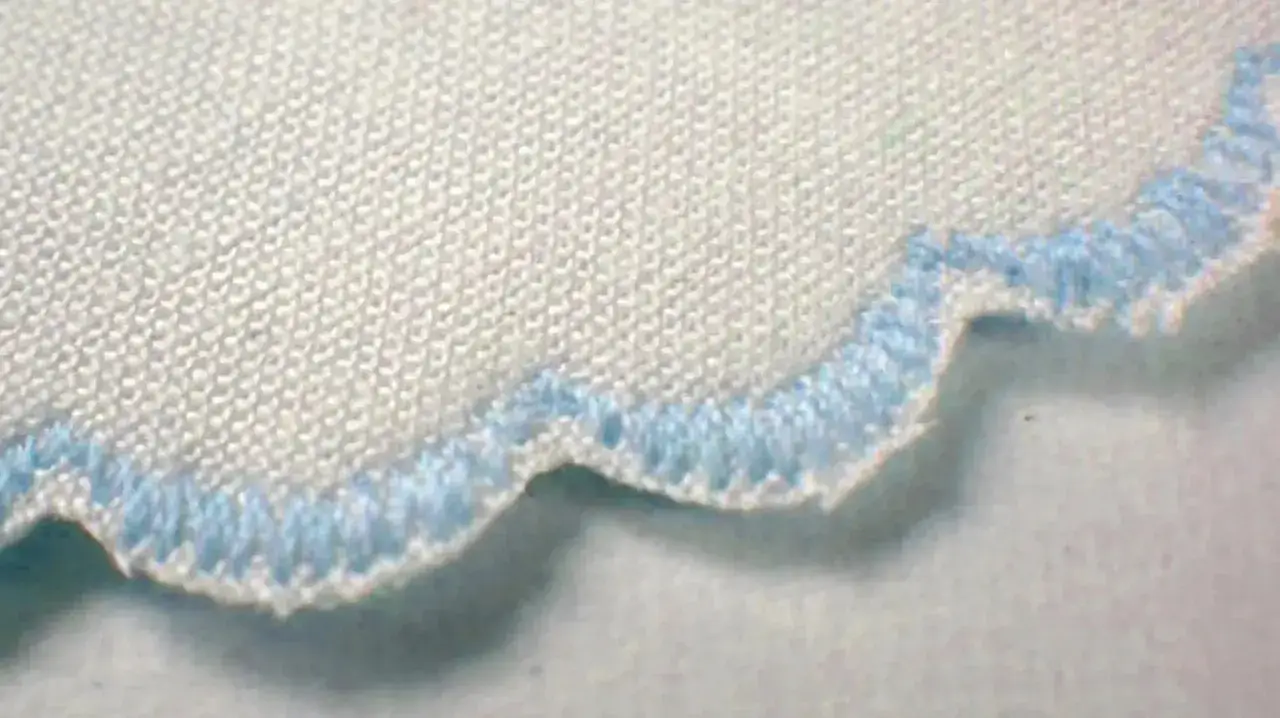
- Rolled hems on lightweight scarves, napkins, and delicate wovens, where a narrow edge looks cleaner than a folded hem.
- Flatlock and decorative edges, especially when the seam is meant to be visible.
On the other hand, if you mainly sew patchwork, bags, or tailored woven pieces with lots of topstitching, you may use it much less often. That does not make it less useful, only more specialised. The next question is whether the machine feels awkward in practice, and most of that comes down to setup.
Common mistakes that make it feel harder than it is
The biggest frustration with an overlocker is usually not the stitching itself, it is the setup around it. In my experience, people think the machine is temperamental when the real issue is usually one of a few predictable mistakes.
- Threading it in the wrong order. The loopers are the trickiest part, and missing one path throws off everything that follows.
- Using tension as a blunt tool. Small adjustments matter. If you crank the dials randomly, the stitch gets worse before it gets better.
- Expecting it to behave like a sewing machine. It is built for overlock stitches, not straight seams and buttonholes.
- Skipping differential feed on knits. If fabric waves or stretches out, this setting is often the fix.
- Forgetting lint and knife maintenance. Because the machine trims as it sews, lint builds up quickly and the blade has real work to do.
If you want a cleaner first experience, keep the manual nearby, use good light, and start with one stable fabric before you chase decorative stitches. Once the machine is set correctly, it usually feels much more logical than its reputation suggests. That leads to the practical question of what to look for when buying one in the UK.
How I would choose one for a UK sewing room
If I were choosing an overlocker for home sewing in the UK, I would not start with brand hype. I would start with the features that make daily use easier, because that is what determines whether the machine gets used or gathers dust.
- Clear threading paths. Colour-coded guides or air-threading can save a lot of frustration.
- Differential feed. This is one of the most valuable controls for knits and light fabrics.
- Knife disengage or easy blade control. Useful when you want to sew without trimming every edge.
- Accessible loopers and a readable manual. The lower looper is usually the part people dread most, so visibility matters.
- 3-thread and 4-thread options. These cover most home sewing jobs without overcomplicating the machine.
- Good dealer support or lessons. A short setup lesson is often worth more than another decorative stitch.
I also think about what I will sew most often. If the main goal is clean seams on knits, a straightforward 4-thread overlocker is usually the sensible choice. If the machine is only for occasional edge finishing, a simpler model may be enough. If space is tight, combo machines are tempting, but I still prefer the machine that does one job well over the machine that promises three and makes all three a compromise.
What I would tell a beginner before buying one
The simplest way to think about an overlocker is this: it is a speed-and-finish machine, not the heart of every sewing project. If you sew mostly woven fabrics and you are happy to finish seams with a zigzag or overcast stitch on your regular machine, you may not need one right away. If you sew knits, activewear, or a lot of garments, the time savings and cleaner finish are easy to justify.
My practical advice is to choose the least complicated machine that gives you differential feed, a clear threading system, and the stitch type you will actually use. Learn one basic seam first, then move to rolled hems or decorative finishes only after threading feels routine. That is the point where an overlocker stops feeling like an extra appliance and starts feeling like the machine that quietly improves almost everything you make.