What matters most before you buy or sew a pair
- Mesh is useful when it ventilates without creating friction or unwanted transparency.
- Nylon or polyester blended with elastane usually gives the best mix of stretch, recovery, and durability.
- Current UK retail examples usually fall into three rough bands: £10-£20, £25-£40, and £45-£70+.
- For DIY or alterations, stretch mesh or power mesh is far more reliable than decorative netting.
- Cold washing, laundry bags, and air-drying make a bigger difference than most buyers expect.
What mesh inserts really change in a pair of yoga pants
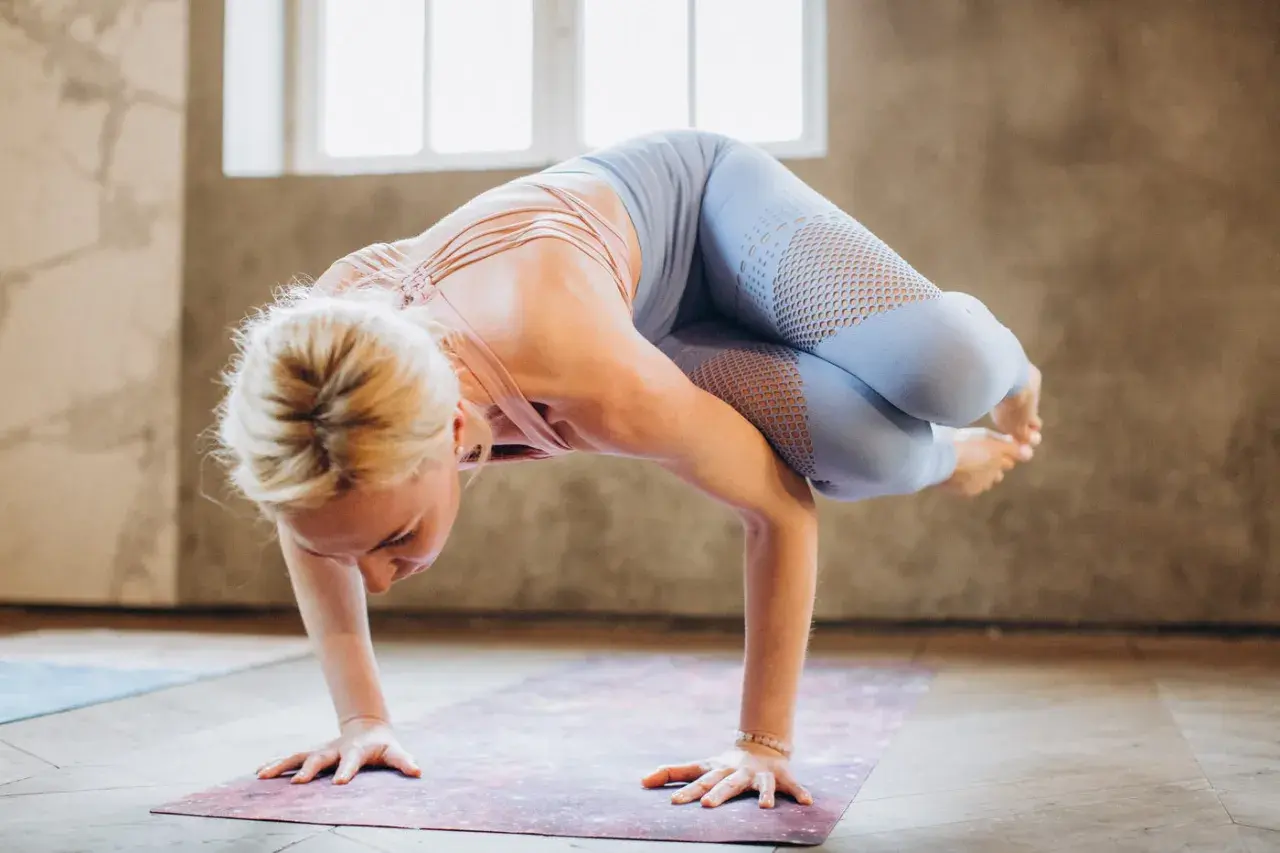
A good pair of yoga pants with mesh inserts does more than add a fashion detail. The panels reduce heat build-up, break up a heavy-looking leg line, and can make a fitted silhouette feel less enclosed during studio sessions or long wear.
That said, mesh is not automatically performance-oriented. A sheer panel may look sharp but still trap sweat if it is too small, too stiff, or sewn into a spot that rubs against the mat. In practice, the best designs make the garment feel lighter and more breathable without turning it into a fragile novelty piece. That balance starts with the base fabric, which is where I look next.
Which fabrics and stitches hold up best
Most dependable activewear pairs use a synthetic blend with elastane, usually nylon or polyester plus 10-22% stretch fibre. That mix gives you the recovery you need for squats, lunges, and repeated wear; I would be cautious with anything that feels soft but rebounds slowly after a stretch test.
| Fabric or insert | What it gives you | Best use | Trade-off |
|---|---|---|---|
| Nylon-elastane base | Smooth handfeel, strong recovery, good abrasion resistance | Studio classes, all-day wear | Can feel warmer than lighter polyester blends |
| Polyester-elastane base | Quick-drying and usually lighter | Hot rooms, cardio, travel | Can look less refined if the knit is cheap |
| Power mesh insert | More support and shape than ordinary mesh | Waistbands, side panels, controlled shaping | Too stiff for purely decorative seams |
| Decorative stretch mesh | More visual contrast and airflow | Fashion-led panels on calves or sides | Less durable if placed in high-friction areas |
That technical base matters because panel placement changes both comfort and appearance.
Where the panels are placed matters more than people think
Side-leg inserts are the most common because they ventilate well and visually lengthen the leg. Calf panels can be even more effective for cooling during cardio, while thigh inserts usually create the strongest style statement but also carry a higher transparency risk.
- Side seams are the safest all-round choice for airflow and a slimmer look.
- Calves help during runs or hot classes because they sit where heat builds without being scraped by a mat.
- Thighs are bold, but they need more care in fabric choice because stretch and coverage are tested harder there.
- Waistbands should use supportive mesh or power mesh only if the goal is shaping; otherwise the band can collapse or roll.
When I see poor design, it is usually because the mesh is placed where it bends too much or rubs too often. If you move naturally through yoga flows, the best insert is one you stop noticing after the first few minutes. That leads to the question of how to choose one pair for actual use, not just for a product photo.
How to choose a pair for studio classes and everyday wear
If the leggings are for yoga first, I would prioritise opacity, waistband stability, and seam comfort before chasing a dramatic mesh layout. If they are for errands or athleisure, the style element can matter more, but the fabric still needs enough recovery to avoid bagging at the knees.
| Use case | Prioritise | Skip if |
|---|---|---|
| Yoga classes | Opacity, flat seams, stretch recovery | The mesh sits where you will fold, twist, or press into the floor |
| Running or cardio | Quick-dry fabric, secure waistband, breathable calf or side panels | The base fabric feels heavy or slow to dry |
| Everyday wear | Smoother handfeel, subtle panel placement, pockets if you use them | The mesh looks sharp but feels scratchy or stiff |
UK sizing is not as standardised as many shoppers hope. One brand’s M may sit close to a UK 12, while another runs tighter or looser, so I always check the flat waist measurement and inseam rather than relying on the label alone.
Current UK retail examples from brands such as Nike, Next, and Lululemon place mesh-panel leggings from roughly £25 to £70+, while simpler fashion-led pairs can sit nearer £10 to £20. Once you know what you want from the garment, construction details become easier to judge.
If you sew or alter them, the mesh details need special handling
Mesh inserts are simple to admire and fussy to sew. The main risk is distortion: mesh can stretch out of shape as it is fed through the machine, especially along a curved seam or when a beginner pulls the fabric to force it flat.
- Cut the mesh with the greatest stretch running around the body where it matters.
- Use a ballpoint or stretch needle and test thread tension on scraps first.
- Stabilise high-stress edges with stay tape or clear elastic if the seam will take tension.
- Finish exposed edges with fold-over elastic, binding, or a neat overlock seam.
- Press with low heat and only when necessary, because many meshes dislike direct heat.
If the insert is decorative only, a narrow zigzag often gives enough give. If the panel contributes support, such as at the waistband or upper hip, I would use power mesh and a more careful seam finish so the garment does not collapse after a few washes. That is where good sewing turns a pretty idea into something wearable, which brings me to care.
How to wash and store them so the inserts stay neat
Mesh usually fails at the edges first, not in the middle of the panel. Snagging, twisting in the wash, and high heat are the usual culprits, so I treat these leggings more gently than standard jersey.
- Wash them inside out in a laundry bag.
- Keep the cycle cold or at 30°C if the label allows it.
- Avoid fabric softener when the garment relies on stretch recovery.
- Air-dry flat or hang them away from direct heat.
- Keep Velcro, rough zips, and jewellery away from the mesh.
That routine sounds modest, but it is often the difference between crisp-looking inserts and warped panels that start to bag at the knees or fray at the seam. Once care is under control, the final decision is whether the pair actually earns its place in a wardrobe.
What I’d check before buying one in the UK
Before I buy, I look for three things in order: a squat-proof base fabric, a mesh panel that feels purposeful rather than random, and a waistband that stays flat when I bend or twist. If one of those fails, the leggings may still look good on a hanger, but they usually disappoint in real wear.
- Do the panels sit where the body heats up most? Side legs and calves usually make more sense than low-friction zones.
- Does the fabric recover quickly? A good stretch should snap back instead of staying wavy.
- Is the mesh soft enough for repeated movement? Scratchy mesh is a poor trade, no matter how stylish it looks.
- Are the seams tidy inside? Bulk or rough finishing is a warning sign in activewear.
On the UK market, mesh-panel leggings currently span a wide spread: roughly £10-£20 for budget fashion pairs, £25-£40 for solid mid-range options, and £45-£70+ for premium labels. I would pay the higher end only if the fabric recovery, seam finish, and opacity test all earn it. If you choose the calmer mesh placement and the better inside finish, the leggings are far more likely to stay in rotation.
What makes a mesh pair worth keeping long term
The best mesh-panel leggings are not the loudest ones. They are the pairs that solve a practical problem first, then add shape and interest as a second layer. For me, that means breathable fabric, careful panel placement, and enough structure that the garment still behaves like proper activewear after repeated washing and stretching.
If you are buying, treat the mesh as a clue to how the garment was engineered; if you are sewing, treat it as a technical insert, not just decoration. That mindset is the quickest way to end up with pants you actually reach for, whether they are headed to a class, a walk, or a casual day out.