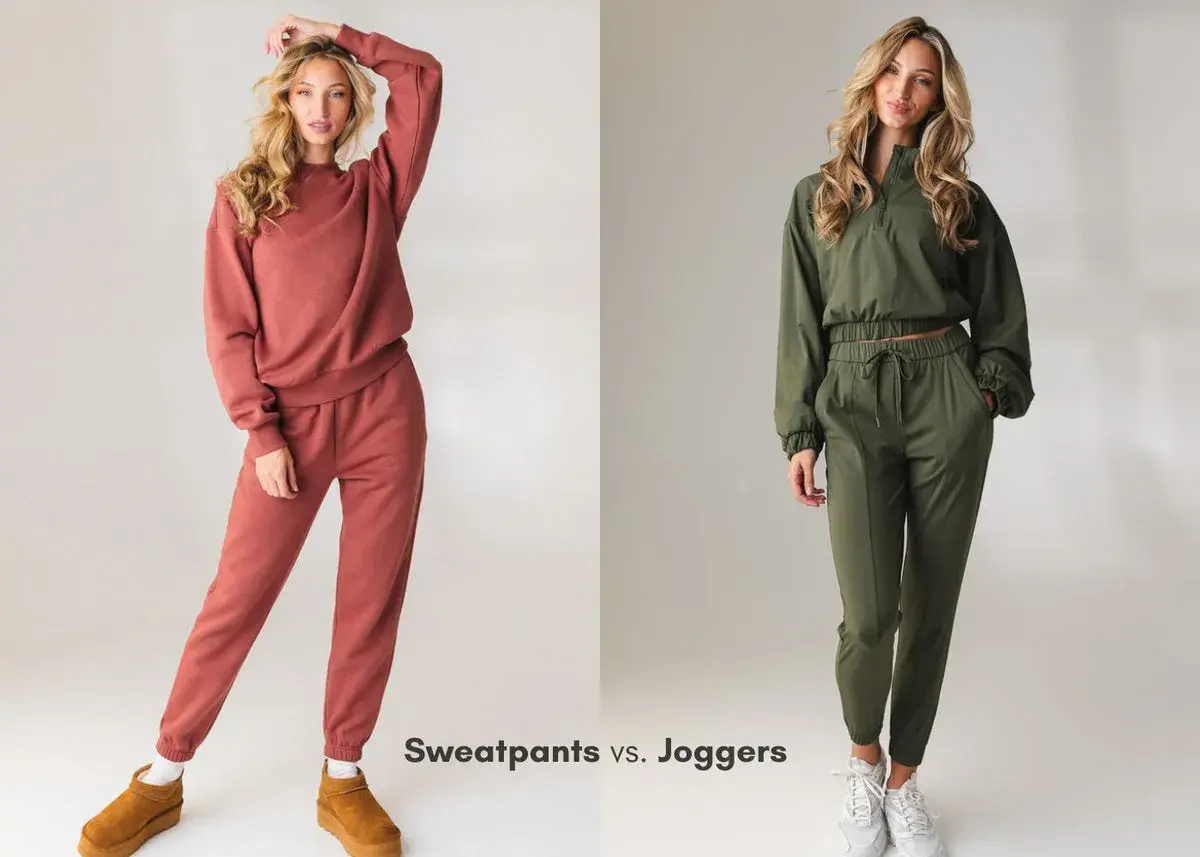
Sweatpants are the soft, relaxed trousers most people reach for when comfort matters, but the term covers more than one look or fabric. In the UK, they are usually called joggers or tracksuit bottoms, and the difference between them often comes down to cut, fabric weight, and whether the pair is meant for sport, lounging, or everyday wear. This article breaks down the definition, the fabrics, the fit details, and the practical points I would check before buying or sewing a pair.
The short version is that sweatpants are soft casual trousers with a sporty origin
- They are usually made from knitted fabrics such as cotton jersey, French terry, or fleece.
- In British English, people more often say joggers or tracksuit bottoms.
- Classic details include an elastic waistband, a drawstring, and often cuffed ankles.
- Fabric weight changes the feel a lot: lighter pairs breathe better, heavier ones feel warmer and more structured.
- Compared with jeans, they are softer, less rigid, and easier to move in.
- A good pair depends as much on construction and recovery as on the label.
A simple definition and the British term to know
In plain terms, sweatpants are loose-fitting trousers made from soft fabric and designed for comfort first. They started as athletic wear, but they now sit in a much wider space that includes loungewear, travel clothes, gym kit, and even some neatly cut casual outfits.
If I had to define them in one sentence, I would call them soft, casual trousers with an elasticated waist and a relaxed fit. In the UK, the everyday words are usually joggers or tracksuit bottoms, while sweatpants is still understood, especially in retail or international contexts. That naming difference matters because it affects what people expect the garment to look like: a British “jogger” often sounds a little more fitted and streetwear-friendly than a classic gym-style pair.
That basic definition leads straight to the next question: what actually makes one pair feel airy and casual while another feels thick, warm, and almost winter-only?
The fabrics that make them feel soft, warm or light
The fabric is the real story. Two pairs can both be called sweatpants, yet one may feel like lightweight loungewear and the other like a cosy winter layer. When I look at a pair, I usually check the fibre blend, the knit structure, and the fabric weight before I think about the styling.
| Fabric | What it feels like | Best for | Main trade-off |
|---|---|---|---|
| Cotton jersey | Smooth, breathable, flexible | Light everyday wear, warmer weather, relaxed layering | Can drape too softly if you want a cleaner shape |
| French terry | Soft on the outside, looped on the inside | Year-round wear, moderate warmth, better structure | Usually less plush than fleece |
| Brushed fleece | Warm, cosy, slightly lofty inside | Cold weather, lounging, travel, winter casualwear | Can feel too hot indoors and may pill more easily |
| Polyester or poly-cotton blend | Durable, quick-drying, often more shape-stable | Sportswear, frequent washing, active use | May breathe less well than cotton-rich fabrics |
| With elastane or spandex | More stretch and recovery | Tapered joggers, fitted silhouettes, mobility | Too much stretch can make the garment look thin or clingy |
A practical fabric rule helps here. Around 180-220 gsm, the cloth usually feels light and comfortable. In the 240-320 gsm range, you get a midweight pair that works well for most wardrobes. Once you go above roughly 320 gsm, the trousers feel warmer and more substantial, which is useful in colder months but less ideal if you want something breezy indoors. Those figures are guideposts, not hard rules, but they make buying and sewing decisions much easier.
Once the fabric is clear, the next useful layer is the shape itself, because the label on the tag tells you less than the cut does.
How they differ from joggers, tracksuit bottoms and jeans
People often use these terms as if they mean the same thing, but there are useful distinctions. I think of sweatpants as the broad category, joggers as the more tapered modern version, and tracksuit bottoms as the more sport-led British term. Jeans sit in a different family altogether because they are woven, structured, and far less soft.
| Garment | Typical fit | Fabric feel | Best use | UK everyday wording |
|---|---|---|---|---|
| Sweatpants | Relaxed, often straight or slightly tapered | Soft knit, usually cotton-rich | Loungewear, casual wear, warm-ups | Sweatpants is understood, but less common |
| Joggers | Usually more tapered at the ankle | Soft knit, sometimes with a cleaner finish | Everyday casual outfits, travel, streetwear | Very common |
| Tracksuit bottoms | Loose to moderate fit | Often sporty or fleece-backed | Sport, lounging, school or casual use | Very common |
| Jeans | Structured, shaped, usually less forgiving | Woven denim, firmer hand feel | Casual dressing with more structure | Jeans |
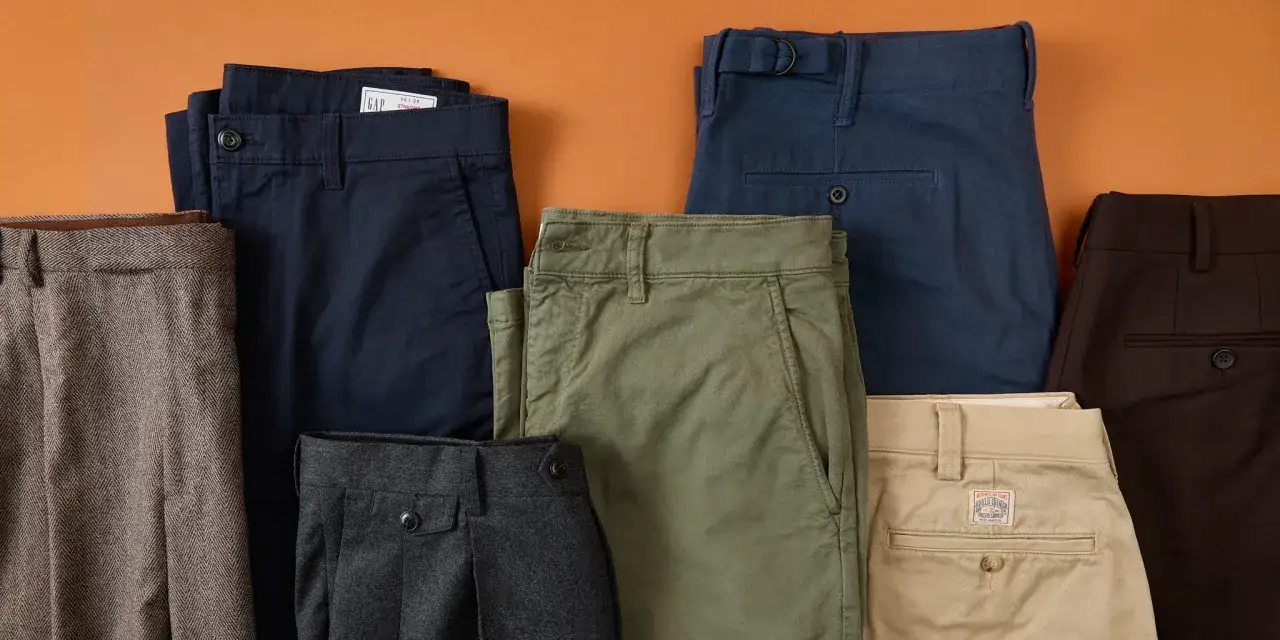
The biggest practical difference is comfort versus structure. Jeans hold their shape and usually look sharper, but they do not move or drape like knit trousers. Sweatpants and their close cousins are easier to wear for long periods, but the wrong cut can look sloppy very quickly. A tapered leg, a tidy cuff, and a dense fabric can make the difference between “at home only” and “I would wear this out for coffee.”
That balance between ease and polish depends less on the name and more on the details, which is where construction starts to matter.
The fit and construction details that matter more than the label
When a pair works well, it is usually because the construction is doing real work. I tend to look at five things first: the waistband, the leg shape, the cuffs, the seams, and the pocket build. Those details decide whether the trousers stay comfortable after a few hours or start to twist, sag, or bag out.
What to check first
- Waistband - A wide elasticated waistband sits more comfortably and usually lasts better than a thin, weak one.
- Drawstring - Useful for adjustment, but only if the channel is secure and the cord does not twist or pull.
- Leg shape - A straight leg feels more relaxed; a tapered leg reads cleaner and often suits city wear better.
- Cuffs or hems - Rib cuffs keep the leg in place, while open hems feel looser and more casual.
- Seams - Flatlock seams reduce bulk and rubbing, which matters if the trousers are for sport or all-day wear.
- Fabric recovery - Good stretch recovery means the knees and seat bounce back instead of staying baggy.
There is also a common buying mistake worth naming: people focus on softness and ignore recovery. A pair can feel excellent in hand but still lose its shape after two washes if the knit is weak or the elastic is poor. For sewing, the same logic applies even more strongly. A soft fabric with no stability can look cheap once it stretches at the seat, the knee, or the waistband.
Once those construction details are right, the final question becomes where the trousers fit into real outfits, not just inside a wardrobe.
When they work best in everyday outfits
Sweatpants are at their best when the rest of the outfit makes sense for their level of casualness. That does not mean they are limited to the sofa, but it does mean the fabric and cut need to match the setting. A dense, dark, tapered pair can look deliberate; a shiny, oversized pair usually reads as pure loungewear.
In practice, I would split them into three useful lanes:
- Home and travel - The safest use case, especially for fleece, brushed cotton, or looser fits.
- Casual errands and weekends - Works well with a clean T-shirt, sweatshirt, overshirt, or relaxed knit.
- Smart-casual-adjacent outfits - Possible only with a refined jogger silhouette, heavier fabric, and tidy footwear such as clean trainers or minimal sneakers.
They are usually a poor choice for stricter office dress codes, formal dinners, or anywhere the trousers need to mimic tailoring. That said, the style shift toward softer, more relaxed clothing has made the boundary less rigid than it used to be. The point is not that sweatpants can do everything; it is that the right pair can do more than many people expect.
With that in mind, the best final check is a fabric-first one, especially if you are buying with quality in mind or making the garment yourself.
The fabric checks that separate a good pair from an average one
If I were standing in a fabric shop or reviewing an online product page, I would use a short checklist before committing. It is the quickest way to avoid ending up with trousers that feel good for one afternoon and disappointing for the next season.
- Check the fibre content - Cotton-rich fabrics usually feel softer and more breathable; blends often last longer and dry faster.
- Read the fabric face and back - A looped back suggests French terry; a brushed back usually means fleece.
- Look for stretch recovery - Gently stretch the cuff or waistband and see whether it snaps back cleanly.
- Think about weight - Lighter fabrics suit layering; heavier ones suit colder weather and a more substantial drape.
- Inspect the finishing - Neat topstitching, secure pocket seams, and a stable waistband usually signal better construction.
- Prewash if you are sewing - Cotton-rich knit can shrink, so I would always wash and dry the fabric the way you plan to care for the finished garment.
The simplest answer is that sweatpants are not one fixed item but a family of soft casual trousers, and fabric choice decides almost everything about how they behave. If you understand the knit, the weight, and the cut, you can choose a pair that feels right for lounging, travel, or everyday wear instead of guessing from the name alone.