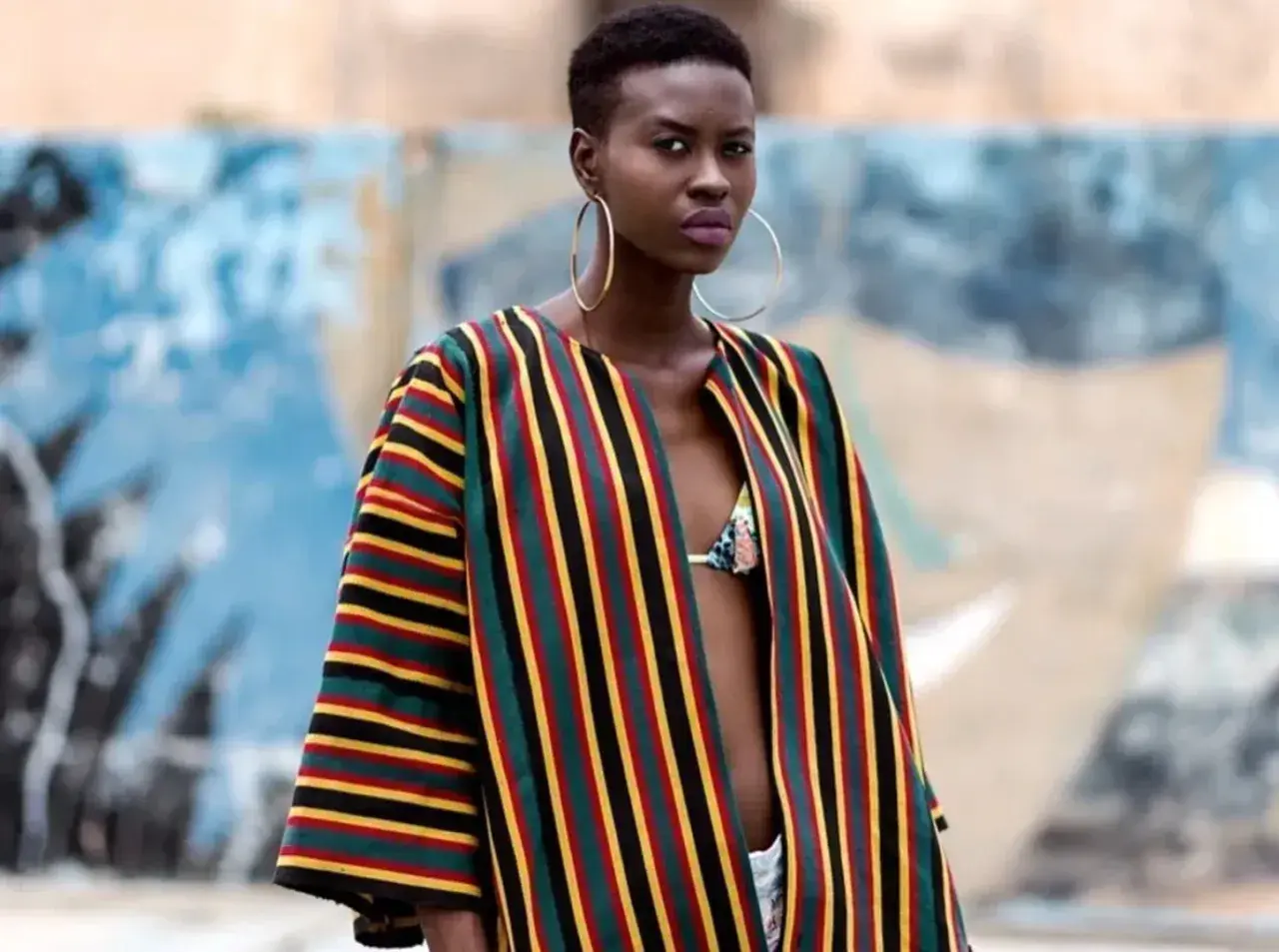
Ankara fabric is a bold printed textile, usually cotton-based, that is best known for its saturated colours and graphic motifs. It sits within the wider African wax-print family, although labels in UK shops are not always consistent, so the name can cover both premium wax prints and simpler printed blends. In this guide, I explain what Ankara is, how to judge quality, which projects suit it best, and how to care for it so the colours and structure last.
The essentials of Ankara fabric at a glance
- Ankara is usually a bold printed cotton, most often discussed as part of the African wax-print family.
- The fabric is known for saturated colours, repeating motifs, and enough body to hold shape.
- In UK shops, the label can cover both premium wax prints and cheaper printed blends, so fibre content matters.
- It works well for structured dresses, skirts, shirts, headwraps, bags, and statement home decor.
- Prewashing, seam finishing, and careful motif placement make a noticeable difference to the final result.
- Many pieces are sold in 6-yard lengths, but the exact amount you need depends on the pattern and the width.
What Ankara fabric actually is
Ankara fabric is best understood as a family of vivid printed textiles rather than one single construction. In the classic version, the cloth is cotton and the design is created through wax-print methods that produce sharply defined colour blocks and highly recognisable motifs. The result is a fabric that feels more substantial than a summer lawn, more breathable than most synthetics, and far less timid than plain printed cotton.
What makes it distinctive is not just the colour. Ankara usually has strong contrast, a repeating design with clear rhythm, and enough body to support fitted or sculptural garments. In practice, the name is also used more loosely in the UK, where retailers may apply it to African-inspired prints, wax prints, and even some cotton-rich blends that only borrow the visual language. That is why I never rely on the label alone; I look at the cloth itself.
It is also distinct from woven cloth such as kente. Kente is woven, while Ankara is printed, and that difference matters when you are choosing a fabric for drape, texture, or price. Wax-resist printing, the process behind many classic versions, uses a resist layer to block dye from parts of the cloth and create the finished pattern. Once you know that baseline, the real buying question is how to spot quality and avoid the common lookalikes.
How I tell a strong print from a weak one
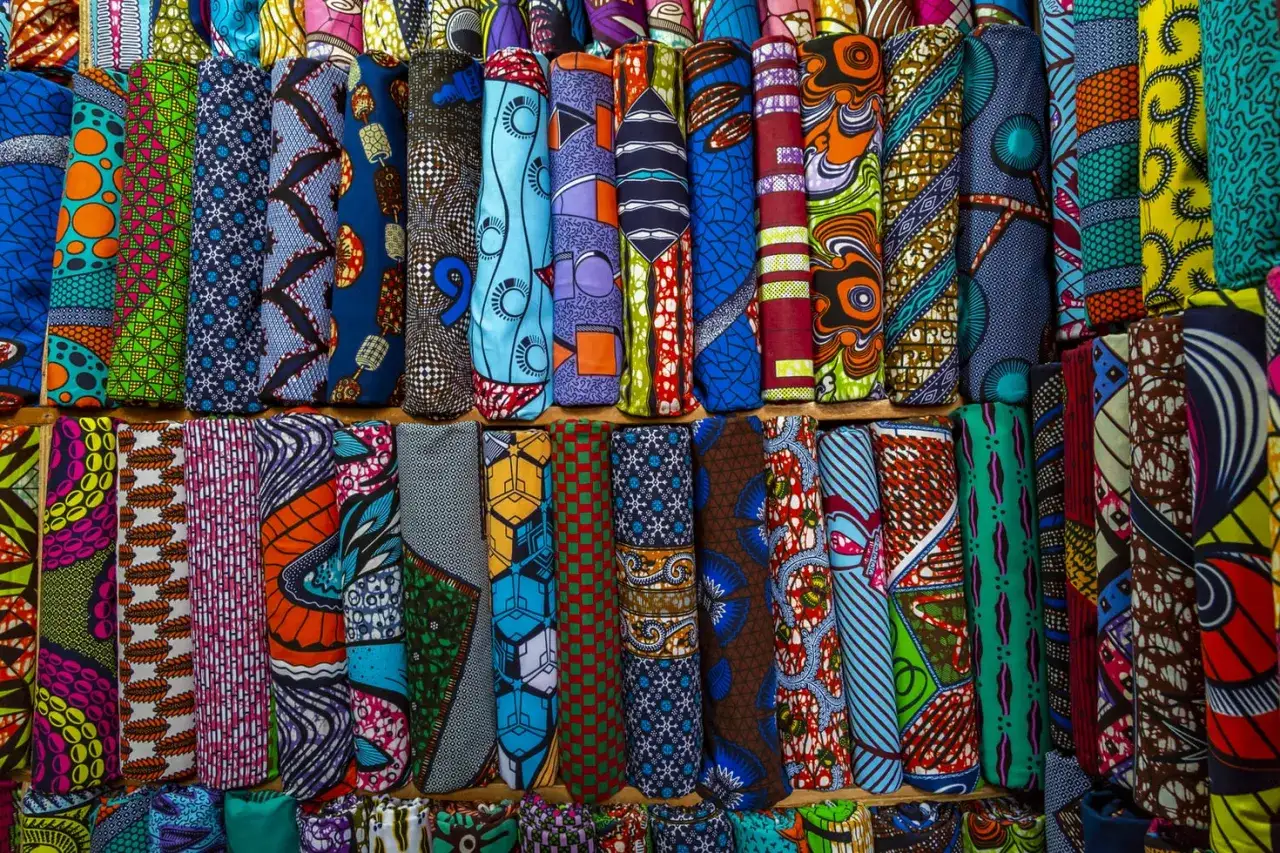
When I judge Ankara in a shop, I do not start with the pattern. I start with the feel, the reverse side, and the way the cloth hangs. A good print can survive a busy design; a poor one usually gives itself away as soon as you touch it. Shop lighting flatters almost anything, so I trust touch and reverse-side clarity more than a fluorescent glow.
| Clue | What it usually suggests | Why I pay attention |
|---|---|---|
| Clear print on the reverse | Often a better wax print or a well-made cotton print | It usually means deeper colour and a more textile-like finish |
| Soft but firm hand | Enough body for pleats, sleeves, and structured seams | Useful if you want the garment to keep its shape |
| Very shiny, slippery surface | Possibly a synthetic or polycotton blend | Can be fine, but it changes breathability and pressing behaviour |
| Clean selvedge or design code | Often a sign of a better-grade print | Handy when you want consistent quality across a larger purchase |
I treat these as clues, not laws. A one-sided print can still be useful, and a bright cloth is not automatically high quality just because it looks dramatic on the roll. I do not trust a shiny surface alone; sometimes it just means polyester, not better cloth. Those clues only make sense once you understand why the fabric behaves the way it does on the sewing table.
Why it behaves differently from other cottons
Ankara is forgiving in some ways and stubborn in others. It presses well, it cuts cleanly when the grain is straight, and it holds shape better than many lightweight prints. At the same time, the fabric can fray, some cheaper dyes bleed, and larger motifs demand more planning than beginners expect.
- 100% cotton wax prints usually breathe well and feel comfortable in warm weather.
- Polycotton versions often cost less and crease less, but they can feel shinier and less natural against the skin.
- Heavier prints are brilliant for jackets, boxy shirts, and pleated skirts.
- Lighter prints are easier for gathered dresses and softer tops, but they may need lining.
- Large motifs can make cutting wasteful if you ignore placement.
My rule is simple: the firmer the cloth, the cleaner the silhouette; the softer the cloth, the more important the lining and drape. That is why Ankara can produce a neat tailored look one day and a voluminous celebration piece the next, depending on the weight you choose. That behaviour is exactly why some projects flatter Ankara and others fight it.
What Ankara works best for in the sewing room
If you want the fabric to look intentional, choose projects that let the print do some of the work. Ankara is excellent for pieces where colour, shape, and repeat matter more than subtle texture.
- Dresses and skirts: The print gives the garment enough energy on its own, especially in A-line, wrap, and tiered shapes.
- Shirts and blouses: Collars, cuffs, and plackets look crisp when the cloth has enough body.
- Jackets and structured tops: A firmer print can hold seams and create a polished silhouette.
- Headwraps, bags, and clutches: These projects use the strong visuals without asking the cloth to drape softly.
- Home accessories: Cushion covers and table accents work well because the patterns stay visible and graphic.
Where I am more cautious is with ultra-fluid dresses, bias-cut slips, and projects that depend on a feather-soft hand. Those can work, but only if you deliberately choose a lighter version and accept that the fabric will still read as assertive. If the silhouette needs movement rather than structure, a different cloth may be the better fit. When the project is clear, the next job is buying the right amount and the right type.
How to buy enough fabric without overbuying
A fabric guide is only useful if it helps you avoid a short cut and a badly matched print. In the UK, I think about Ankara in both yards and metres, because retailers still use both.
| Project type | Useful starting point | Notes |
|---|---|---|
| Simple top or blouse | 2 to 3 yards, about 1.8 to 2.7 m | Enough for a straightforward shape, but sleeves or full facings may need more. |
| Knee-length skirt | 2 to 3 yards, about 1.8 to 2.7 m | Add extra if you want pattern matching at the side seams or waistband. |
| Dress | 4 to 6 yards, about 3.7 to 5.5 m | Full skirts, sleeves, and motif placement can push this higher. |
| Matching set or robe | 5 to 6+ yards, about 4.6 to 5.5+ m | Generous yardage makes matching and balance easier. |
| Headwrap or accessories | 1 to 2 yards, about 0.9 to 1.8 m | Often enough for accent pieces, though the exact use depends on width. |
My shopping checklist is short. I want to know the fibre content, the width, whether the print is one-sided or both-sided, and whether the colour looks stable on a scrap test. A respectable wax print is often around 120 cm or 48 inches wide, but you should still measure the exact piece in front of you because cuts vary. I also buy an extra half metre when the motif is large or directional; that margin is rarely wasted. After that, the fabric is only as good as the way you wash and finish it.
Wash, press, and finish it like a fabric that will be worn hard
Ankara rewards a little discipline before the first stitch. I prewash any piece that will become clothing, because some prints release excess dye and some blends shrink more than you expect.
- Wash cool or lukewarm, ideally at 30°C for cotton-based prints unless the label says otherwise.
- Wash dark and light colours separately the first time.
- Turn the fabric inside out to reduce surface wear.
- Do not wring or twist it aggressively.
- Air dry it out of direct sun if you want the colour to stay rich.
- Press on the reverse with medium heat and steam, lowering the heat for synthetic blends.
For seams, I prefer an overlocker or a neat zigzag finish because Ankara can fray more than beginners expect once it is cut. If the project is fitted, interfacing matters too: collars, waistbands, cuffs, and facings look cleaner when you stabilise them properly. The small extra effort here is what keeps the finished garment from looking homemade in the wrong way. That leads naturally to the last thing I think about before I sew: how to make the print feel deliberate rather than noisy.
The styling details that keep Ankara looking deliberate
The best Ankara garments are rarely the loudest ones in the room. They are the ones where the maker controlled the chaos instead of letting the print run the entire project.
- Pick one dominant colour from the print and repeat it in your accessories or lining.
- Keep the silhouette simple if the motif is large or highly geometric.
- Place major motifs intentionally at hems, bodices, sleeves, or pockets.
- Use plain fabric as a balance when the print is very busy.
- Match another print only when it genuinely adds rhythm, not because you feel you should.