Double gauze sits in a useful middle ground: lighter than brushed cotton, softer than poplin, and far less fussy than many loose weaves. I reach for it when I want clothing or home pieces that feel breathable without looking flimsy. This guide explains what it is, how it behaves, where it works best, and the small sewing and care choices that make a big difference.
Key things to know before you buy or sew it
- Double gauze is usually made from two fine layers of cotton that are lightly tacked together.
- It feels soft, airy, and slightly springy, with more body than single gauze or voile.
- It can shrink and fray, so pre-washing matters if size and finish matter.
- It is a strong match for relaxed dresses, blouses, pyjamas, swaddles, and baby items.
- A new 70/10 or 80/12 needle, gentle handling, and proper seam finishing make sewing much easier.
What double gauze fabric actually is
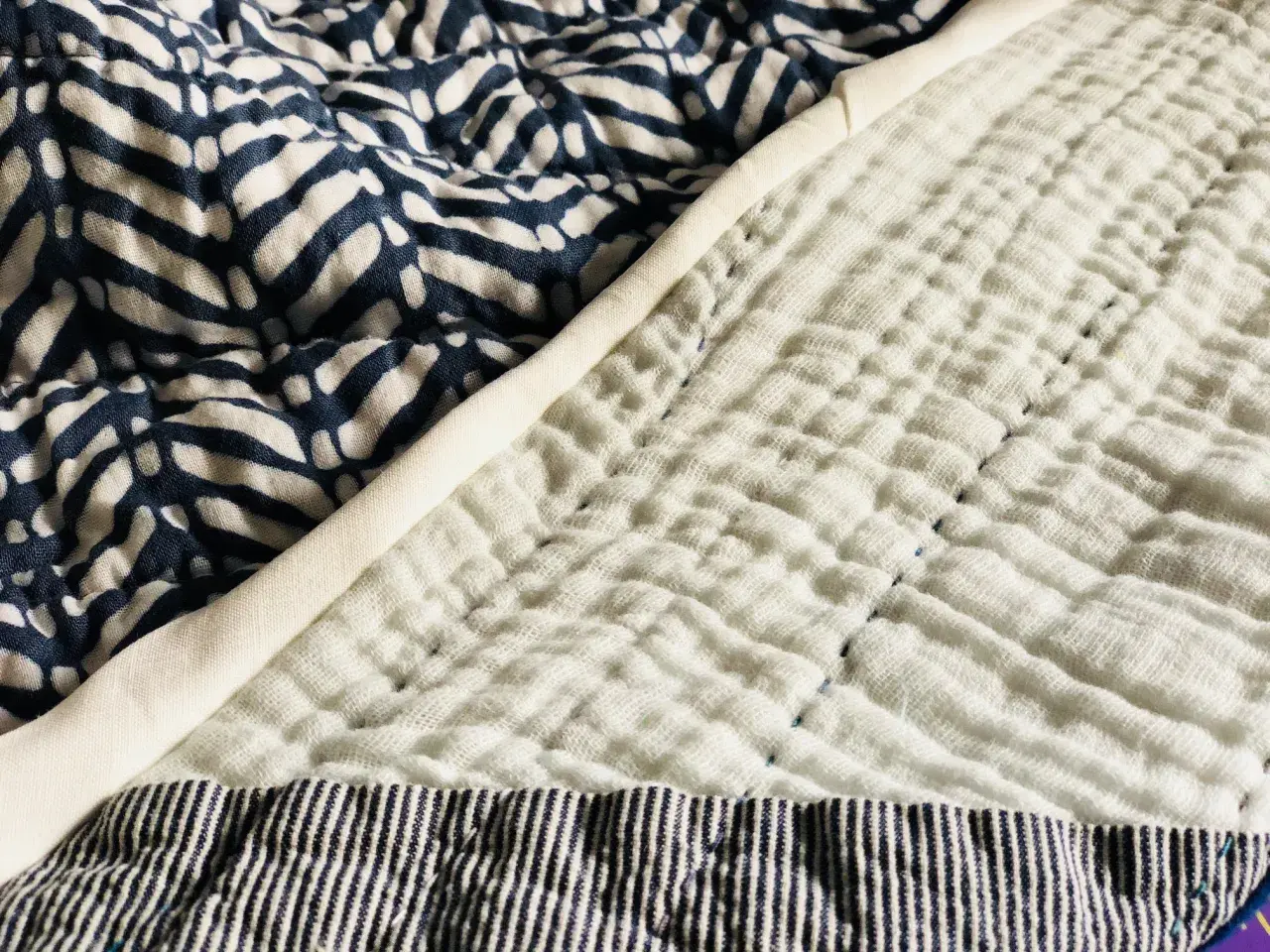
At its core, double gauze is a woven cotton fabric made from two very fine layers that are held together with tiny stitches at regular intervals. Those stitches are easy to miss, which is why the cloth reads like one fabric while still carrying the airy character of two separate layers. Most versions are 100% cotton, although cotton-linen blends and specialist finishes do exist.
The open weave in each layer gives double gauze its soft, crinkled surface and its slightly lofty feel. It is not a knit, and it is not the same thing as a standard single gauze or the loose cotton used for mock-ups. In practice, that matters: the fabric has texture and breathability, but it also has enough structure to hold a relaxed shape instead of collapsing completely.
I think that is why people either love it immediately or underestimate it at first. It looks casual, but it behaves more thoughtfully than that, which leads straight into how it feels compared with other cottons.
Why it feels different from other cotton fabrics
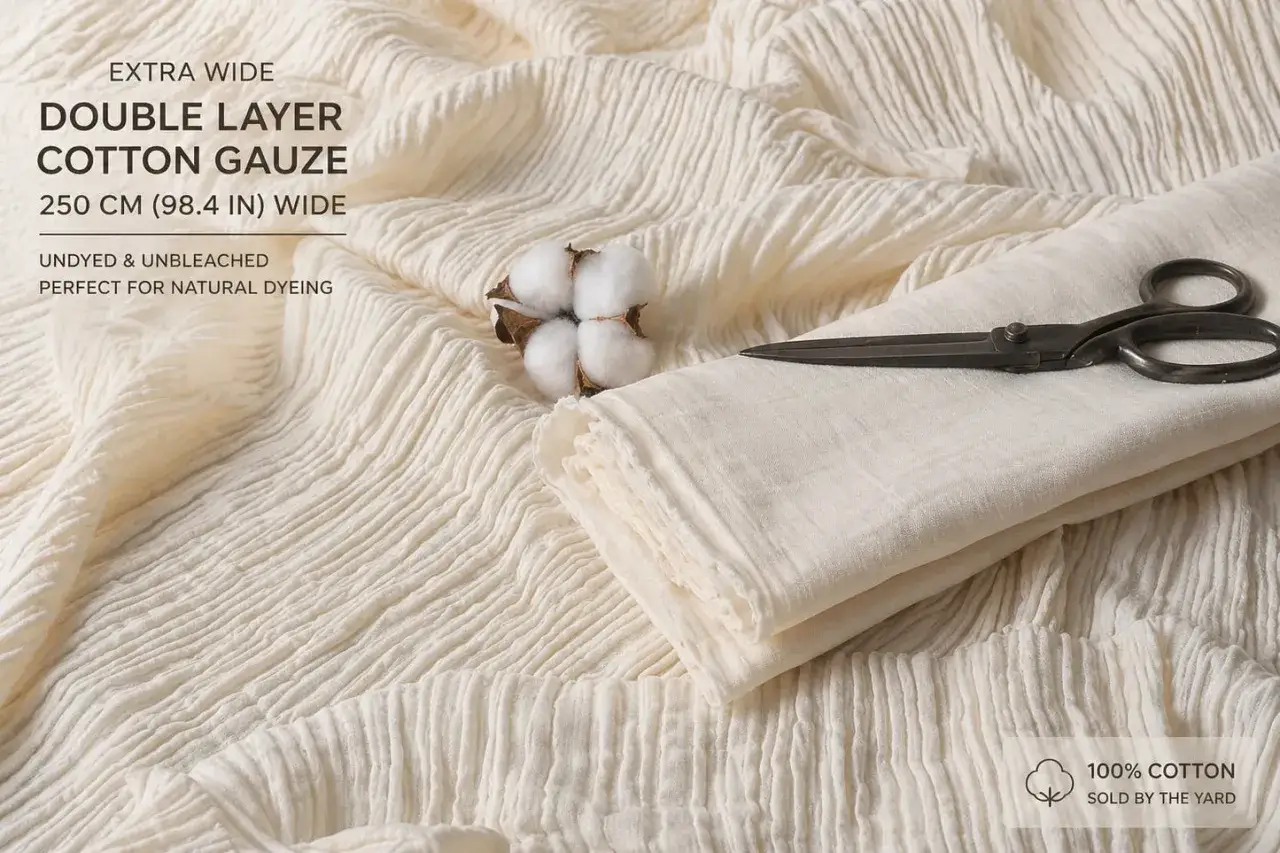
The easiest way to understand double gauze is to compare it with fabrics you probably already know. It is softer and airier than poplin, less sheer than voile, and more substantial than single gauze. That balance is what makes it feel cosy without becoming heavy.
| Fabric | What it feels like | Where it usually works best |
|---|---|---|
| Double gauze | Soft, airy, slightly springy, with visible texture | Relaxed dresses, blouses, pyjamas, swaddles, lightweight layers |
| Cotton lawn | Smooth, crisp, and light with a cleaner surface | Shirts, dresses, linings, projects that need sharper definition |
| Voile | Very light, semi-sheer, and drapey | Blouses, overlays, summer layers, pieces that can be lined |
| Single gauze or muslin | Loose, very open, and usually more transparent | Mock-ups, very casual garments, swatches, simple wraps |
| Poplin | Crisp, smooth, and more structured | Tailored shirts, dresses with shape, details that need definition |
One detail I always point out is that the crinkle is part of the fabric’s identity. If you press it flat, you lose some of what makes it attractive in the first place. That matters when you choose a pattern, because the fabric works best when the design leaves room for softness rather than fighting it.
Where it works best in sewing and dressmaking
Double gauze shines in projects that need comfort, movement, and a relaxed silhouette. I like it for summer dresses, loose blouses, pyjamas, lightweight robes, baby clothing, swaddles, blankets, and soft home accessories. In the UK, it is especially useful for those in-between pieces that need to work through a mild spring day, a cool evening, or an indoor layer with a bit of warmth.
It is also a smart choice for:
- Babydoll dresses and simple gathered shapes
- Button-up shirts with a softer finish
- Wide-leg trousers or shorts with elasticated waists
- Children’s clothes that need to feel gentle against the skin
- Quilt backs and lightweight throws where texture matters
Where I would hesitate is anything that relies on sharp structure: tailored jackets, stiff collars, very fitted skirts, or patterns that need crisp darts and hard edges to look right. Double gauze can do a lot, but it does not naturally give you a polished, architectural line. Once you understand that boundary, sewing it becomes much more straightforward.
How to sew it without fighting the fabric
I treat double gauze as a fabric that rewards restraint. The biggest mistake is trying to handle it like a crisp shirting cotton. It needs gentleness, good cutting habits, and seam finishes that respect the loose weave.
- Pre-wash and dry it first in the way you plan to care for the finished item. That helps reduce surprise shrinkage later.
- Cut on a large, flat surface and use pattern weights or fine pins to avoid distorting the cloth.
- Use a new sharp 70/10 or 80/12 needle with polyester thread or 50-weight cotton thread.
- Set your stitch length a little longer than usual, around 2.5 to 3 mm, so the seam does not pucker.
- Finish raw edges with a French seam, flat-felled seam, overlocker, or narrow zigzag stitch.
- Press carefully with steam rather than dragging the iron across the surface.
If the layers start creeping against each other, a walking foot and slightly lower presser-foot pressure usually help more than extra pins. I also staystitch curves and bias edges when the pattern needs it, because the open weave can stretch out of shape faster than many beginners expect. That small bit of discipline saves a lot of frustration later.
How to care for it and avoid shrinkage surprises
The care routine is simple, but it has to be consistent. Most double gauze is machine washable, yet it is wise to use a gentle cycle around 30°C and to avoid high heat if you want the fabric to keep its shape and texture. Many sewing guides warn that cotton double gauze can shrink by roughly 3 to 5%, and I would rather overestimate that than discover a hemline has become shorter after the first wash.
My practical rules are straightforward:
- Pre-wash before cutting, especially for garments.
- Air-dry when you can, or tumble dry on low only if the fabric and project can handle it.
- Use steam lightly when pressing, but do not flatten the texture unless that is the look you want.
- Store finished garments folded rather than hanging them for long periods if they are especially soft or open-weave.
The main mistake here is over-pressing. If you iron the crinkle out completely, the fabric can look flatter, feel less characterful, and sometimes end up smaller than expected. That is a good trade-off only when you deliberately want a smoother finish.
A simple way to tell whether double gauze belongs in your next project
If you want a fabric that feels soft against the skin, breathes well, and adds texture without obvious bulk, double gauze is an excellent candidate. If you need crisp seams, strong structure, or a surface that stays sharply pressed, I would look elsewhere. That is the real decision point.
Choose it when you want relaxed comfort, subtle warmth, and a handmade-looking finish that still feels polished. Skip it when the pattern depends on stiffness or exact shape retention. Once you stop expecting it to behave like poplin, double gauze becomes one of the most rewarding fabrics to sew with, especially for garments and accessories that are meant to feel easy from the first wear.